The Top 7 Ways to Use Triphala
Key Takeaways
- Triphala benefits: Daily triphala tea supports healthy digestion, regular bowel movements, nutrient absorption, and immune resilience, and contribute to stronger hair and nails by improving colon function.
- Triphala topical uses: Powdered triphala may be used traditionally as hair rinses, scalp scrubs, skin cleansers, gentle eye washes (with caution), and as a dental powder for oral cleansing.
- Ayurvedic formula uses: Triphala powder can be taken as daily tea or mixed with ghee and honey; it is used to support healthy digestion, post-digestive nourishment, regularity, and vata balance.
Triphala is Ayurveda's most widely used herbal formula—which is one of the reasons Banyan offers a full organic triphala product line. What you might not know is that triphala powder is not only the most traditional way to take this powerful combination of amla (amalaki), haritaki, and bibhitaki—it also offers an extremely versatile method of using it.
If you're wondering how to use triphala, you're in good company. While triphala powder is most commonly made into a warm tea to support a healthy digestive system, there is much more to the powers of this most ancient of Ayurvedic blends. Here are seven of our favorite ways to use the powdered version to unlock those triphala benefits!
1. Use Triphala as a Hair Rinse for Dry or Damaged Hair
You might be surprised to learn that you can use triphala powder for hair treatments, but the process is fairly simple and oh so worth it.
Start this pick-me-up treatment for your hair by boiling 1/4 cup of triphala powder with 1 quart of water. If your hair is dry, frizzy, or depleted, add 2 tablespoons of sesame oil or coconut oil. Allow the decoction to boil for 10 minutes before removing from the heat to cool (straining is not necessary).
Once the hair wash has cooled to a comfortable temperature, lean over a sink or bathtub and slowly pour the wash over your hair, pausing every now and then to massage it through. If you have time, wait 30 minutes or more before washing your hair normally.
This clarifying treatment can be done weekly to encourage vibrant color and thick healthy hair.

2. Make a Triphala Eye Wash
This practice is a very traditional way to use the clarifying and rejuvenating qualities of triphala for the eyes. It is especially helpful after a long day of reading or time spent in front of a computer screen.
To do this, make a triphala tea by boiling ½ teaspoon triphala powder in 1 cup of water for 2 minutes. Then strain the tea several times until there are absolutely no particles left in the tea. This is very important to ensure that the eye wash does not cause irritation. Once you have used a cheesecloth (doubled over) to thoroughly strain the tea, let it completely cool before washing the eyes.1
Use an eye washing cup if you have one, using half of your eyewash for one eye and half for the other. Blinking while washing helps circulate the tea and cleanse the area more thoroughly.
Keep in mind that we always recommend consulting with an Ayurvedic practitioner or healthcare provider before trying an eye wash, especially if you have a medical condition in or around your eyes.
3. Create a DIY Skin Cleanser
Triphala can be used as a skin cleanser in two ways. For an exfoliating experience, mix triphala powder with enough warm coconut oil to make a paste, then gently scrub the areas of your skin that could use some invigoration. Any areas of dead or calloused skin will love this treatment. For areas of dull or discolored skin, apply the paste and let it sit for 10 minutes before rinsing it off with warm water.
For more sensitive areas, make a triphala tea and strain it through a fine cloth. Once cool, use the tea to carefully wash your skin. This can be useful on non-cystic acne or areas of skin that are excessively oily.
4. Brush Your Teeth with Triphala Powder
It doesn't taste great, but your mouth will thank you for it! The astringent qualities of triphala help remove the build-up of toxins on the teeth, gums, and tongue. In fact, clinical studies have shown that triphala can be effective at removing plaque and buildup from the teeth, among other benefits.2
Mix a small amount of triphala powder with enough warm water to form a paste. Use your toothbrush to scrub the teeth and gently massage the gums. The triphala is deeply cleansing and may leave your mouth feeling slightly dry, so follow with a rinse of warm water, or a few minutes of oil pulling with Daily Swish Oil.
For extra-sensitive, red, or irritated gums, try a triphala mouthwash instead of the herbal toothpaste. Simply make triphala tea, strain well, and once cool, swish and gargle the tea to cleanse the mouth without causing irritation.
If you find triphala's qualities too drying for your mouth, you can try using powdered amalaki instead for a similar cleansing—but less astringent—experience. Triphala is also in Tooth Powder—offering all the benefits, along with a pleasant taste.
5. Cleanse Your Scalp with Triphala
Triphala scrapes away the natural buildup of toxins on the scalp when applied topically.
To make a scalp scrub, mix 1 tablespoon of triphala powder with 1 tablespoon neem powder and moisten with enough water to make a paste similar to the consistency of pancake batter. Use your fingertips to massage the paste into the scalp and exfoliate the skin, paying extra attention to the areas that tend to accumulate the most oils. Add a few drops of tea tree oil if you're prone to a flaky scalp.
For a deeper cleansing effect, let the paste set on the scalp for 20 minutes before rinsing.
6. Mix Up Some Triphala Jam
In Ayurveda, when honey and ghee (clarified butter) are combined, they act as a sort of “divine nectar,” carrying the herbs they are paired with deep into the tissues of the body.
This rejuvenating recipe is ideal for balancing vata in the body and mind, recovering from stress, and building ojas, or the juiciness of the body.
Mix 1 tablespoon ghee, 1 tablespoon honey, and 1 teaspoon triphala powder for a sweet, nourishing jam to take in the mornings or evenings in place of plain triphala.
Keep in mind that Ayurveda cautions against combining ghee and honey in equal amounts according to weight. However, it is known to be healthy and beneficial when combined in equal volume, as in this recipe.
7. Drink Triphala Tea Every Day
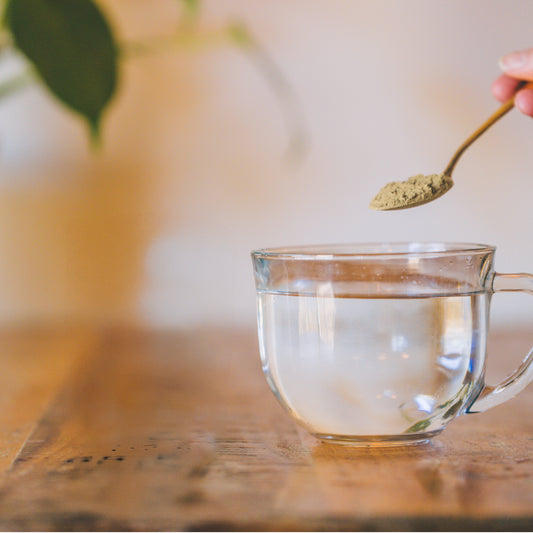
And the most traditional method of how to take triphala is by making triphala tea. Drinking this tea daily can help promote:
- Regular, healthy bowel movements
- A strong immune system
- Thick hair and strong nails
- A healthy response to seasonal allergies, such as pollen
How does taking triphala tea support all of these actions in the body? By supporting the colon! The colon is one of the last stages of the digestive process, and one of the easiest places for ama, or natural toxins, to accumulate, especially when occasional constipation sets in. This coating of toxins prevents the absorption and assimilation of essential food nutrients, and the nails, bones, and hair end up not receiving the nutrition they need to thrive.3
When triphala is taken regularly, complete and regular bowel movements become the norm, and the colon is able to receive all the nutrients and nourishment needed for vibrant health and radiant beauty.
Triphala is best taken on an empty stomach, either last thing before you go to bed, first thing in the morning, or both.
The Post-Digestive Effect
Triphala is one of the most incredible substances in Ayurveda, partly because it has a fascinating prabhava—an unexpected effect.
It is commonly known that triphala cleanses and detoxifies, but it's the post-digestive effect that is not as widely recognized. Once triphala has done its work in the body and made its way through the digestive system, it leaves the tissues not only cleansed, but also nourished, toned, and rejuvenated.
The three fruits of triphala all target different systems in the body, and together they create a synergistic formula that reaches into every tissue layer, or dhatu.
With so much versatility, it is no wonder that triphala is the most widely used, beloved herbal formula in Ayurveda.
There's so much more to discover! Keep learning about triphala, including more of its many benefits recognized by Ayurveda, as well as the benefits acknowledged by the growing body of scientific research.
FAQs: How to Use Triphala
How do I make triphala tea?
Bring 1 cup of water to a near boil, then steep 1/2 teaspoon to 1 teaspoon of triphala powder for 5 to 10 minutes before straining well and letting it cool slightly. For maximum benefits, most people find triphala tea works best on an empty stomach, either first thing in the morning or at bedtime, when its traditional support for healthy digestion and regular bowel movements is put to best use.
Banyan's Organic Triphala Powder is milled from sustainably sourced amla, haritaki, and bibhitaki, so every cup delivers the same balanced, time-tested formula used in Ayurveda for generations.
Is it safe to take triphala every day?
Triphala is generally considered safe for daily use by most healthy adults, and many Ayurvedic practitioners recommend it as a long-term daily practice rather than a short-term fix. (In fact, some individuals choose to take triphala for their entire adult life to support their well-being.) As with any herbal formula, first start with a small amount and see how your body responds, and to check in with an Ayurvedic practitioner or healthcare provider if you're pregnant, nursing, managing a health condition, or on medications.
For a deeper look at how it works in the body, including guidance for different constitutions, see our full triphala benefits guide.
What makes Banyan's triphala different?
Banyan sources amla, haritaki, and bibhitaki from trusted farming partners who share our commitment to organic, sustainable cultivation. After drying, the three dried fruits are powdered then blended into a single balanced formula using traditional ratios. Every batch is USDA Certified Organic and tested for purity, so you know exactly what's in your tea.
We also offer it in tablet and liquid extract form, so however you like to take your herbs, there's a version that fits your routine.
How long before I notice the benefits of triphala?
Many people notice support for regularity and occasional constipation within the first few days of consistent use, while its nourishing, rejuvenating effects on digestion and overall vitality tend to build gradually with daily use over several weeks. In Ayurveda, it is often recommended to take triphala daily and consistently rather than occasionally.
If daily tea prep isn't practical for your schedule, Triphala Tablets offer the same traditional blend in a convenient tablet, so you can stay consistent even on busy days.

More for You
An Introduction to Ayurvedic Cleansing
At its core, an Ayurvedic cleanse is focused on supporting healthy digestion and elimination. The end result is an improved sense of balance and overall health.
How to Improve Digestion
Gain a deeper understanding and appreciation of the role digestion (agni) plays in your overall health, and learn practical tools to keep your digestion strong.
References
1 Lad, Vasant. “The Complete Book of Ayurvedic Home Remedies.” London: Piatkus, 2006.
2 Peterson, Christine Tara, Kate Denniston, and Deepak Chopra. “Therapeutic Uses of Triphala in Ayurvedic Medicine.” Journal of Alternative and Complementary Medicine (New York, N.Y.). August 01, 2017. Accessed May 21, 2019. https://www.ncbi.nlm.nih.gov.
3 Peterson, et al. “Therapeutic Uses.”