









About Carrier Oils for Skin
What Is a Carrier Oil?
Carrier oils are nourishing plant oils traditionally used to moisturize the skin and serve as the foundation for many Ayurvedic self-care practices. In Ayurveda, oil is synonymous with the Sanskrit word sneha, which also means "love," imparting the fact that oil is one way to offer our skin and our bodies nourishment and self-love.
As their name suggests, carrier oils are often used to "carry" other botanical ingredients. They provide a nourishing base for herbal infusions and help dilute essential oils for topical use, while also offering their own unique qualities. Whether you're practicing abhyanga (Ayurvedic self-massage), creating an herbal oil, or looking for a daily body or facial oil, choosing the right carrier oil can help support your individual needs.
Types of Carrier Oils
Each carrier oil has its own unique characteristics. In Ayurveda, different oils are traditionally chosen based on their qualities and their relationship to the doshas.
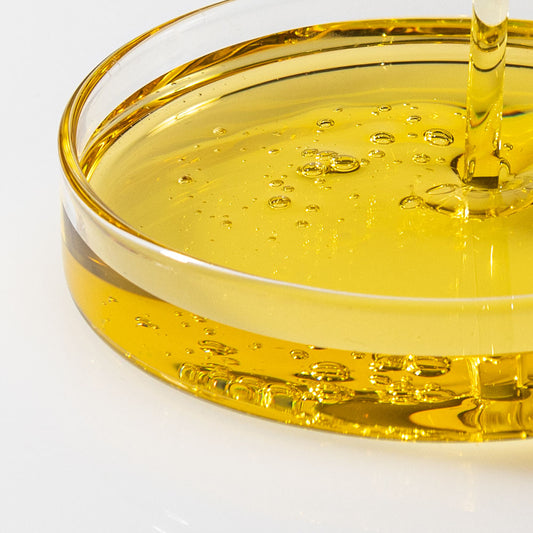
- Sesame Oil is traditionally considered warming, grounding, and especially supportive for vata and kapha. It has long been the classic choice for daily abhyanga.
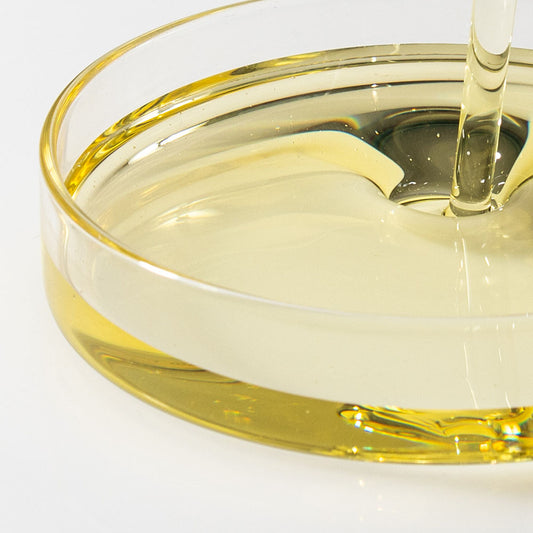
- Sunflower Oil is considered tridoshic and can be a great year-round oil. Lighter in texture, it also makes a great option for pitta.
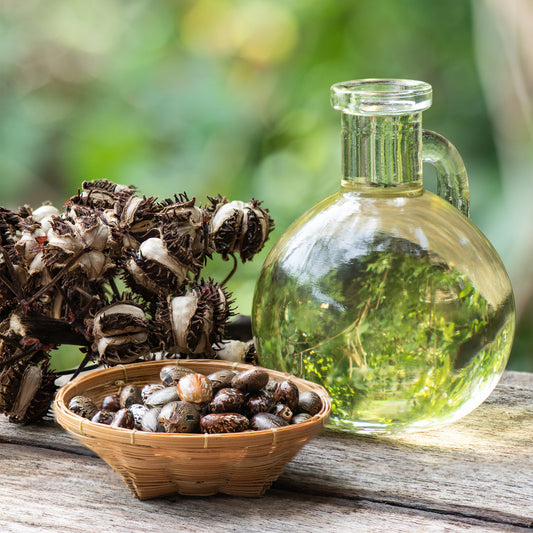
- Castor Oil is thick, rich, and deeply nourishing. A popular oil in natural beauty treatments, it is often used on its own for targeted applications or blended with lighter oils for massage and skin care.
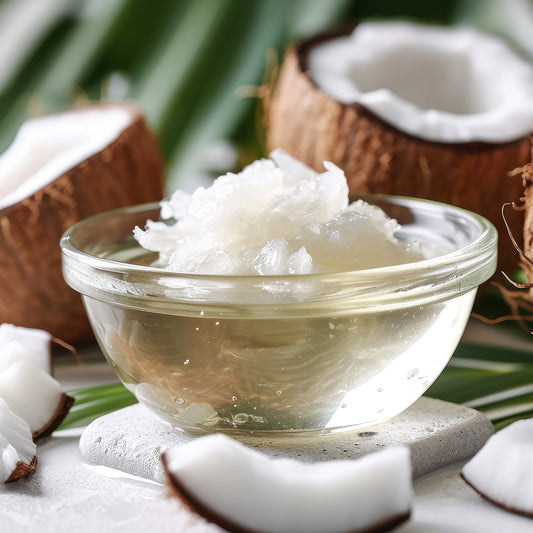
- Coconut Oil is more cooling and soothing, and it is excellent for pitta. It is considered calming for the skin and nurturing for the hair.
As you explore different oils, consider your skin type, personal preferences, climate, and Ayurvedic constitution. Many people enjoy using different carrier oils throughout the year as the seasons change.
How to Use Carrier Oils
Quality matters when choosing a carrier oil. Banyan's carrier oils are sourced from organic plants, are hexane-free, and are expeller pressed. Every oil is carefully selected to meet our rigorous quality standards and to support traditional Ayurvedic wellness practices, including self-massage, herbal oil preparation, and oil pulling.
Whether you're looking for a lightweight everyday body oil, a traditional massage oil, or a nourishing base for herbal preparations, you'll find a carrier oil to suit your practice.
Frequently Asked Questions
What can carrier oils be used for?
Carrier oils are incredibly versatile. They can be used for Ayurvedic self-massage (abhyanga), daily body moisturizing, facial massage, scalp massage, herbal oil infusions, diluting essential oils, and—depending on the oil—for traditional oil pulling practices.
How do I choose the best carrier oil?
The best carrier oil depends on your goals and preferences. Sesame oil is a traditional choice for warming, grounding massage, sunflower oil offers a lighter feel with neutral qualities, cooling coconut oil is often used on the skin and hair, and castor oil provides rich, concentrated nourishment for targeted use. Many people choose different oils throughout the year based on the seasons and their skin's changing needs.
Not sure which is best for your body and current state of health? Our Ayurvedic Profile™ quiz is an excellent place to start, with insight into your unique physical and energetic makeup, including your skin.
Why does Banyan offer sunflower oil when seed oils are controversial?
While there is some confusion and controversy about using seed oils, scientific studies consistently show that quality seed oils are considered healthy choices. Furthermore, most discussions about seed oils focus on refined cooking oils used in processed foods. Banyan's Organic Sunflower Oil is intended for traditional Ayurvedic self-care practices such as abhyanga and oil pulling—not as a cooking oil. It is organic, hexane-free, and expeller pressed for external wellness practices.
Research on topical sunflower oil supports its ability to help maintain the skin's natural moisture barrier, while studies on oil pulling suggest it may offer oral hygiene benefits when used alongside regular brushing and flossing.


