Triphala Benefits
Your Complete Guide to Ayurveda's Most Popular Formula
Triphala is one of the most well-known and commonly used formulas in Ayurveda. This traditional blend of three fruits has the unique ability to detoxify and rejuvenate the body, along with a host of other health benefits. A true staple in Ayurvedic medicine, triphala remains one of the core components for supporting a healthy life.
In this article:
- What Is Triphala?
- Benefits of Triphala
- Scientific Research on Triphala
- How and When to Take Triphala
- Is Triphala Safe?
- Growing and Harvesting Banyan's Triphala
What Is Triphala?
Triphala is not a single fruit, plant, or herb, but rather an herbal formulation—one of the most popular and commonly used formulas in Ayurvedic medicine!
Literally meaning “three fruits,” triphala (also known as "triphala churna") is a traditional Ayurvedic blend consisting of three simple ingredients, each one a beneficial fruit native to the Indian subcontinent: amla (Phyllanthus emblica), bibhitaki (Terminalia bellirica), and haritaki (Terminalia chebula). When combined, these three fruits work synergistically to provide comprehensive health benefits.
The many benefits of triphala that make this blend so widely renowned extend to all three doshas, making it an excellent choice for almost everyone. Not sure what your dosha constitution and state of balance is? Take the free dosha quiz to find out!
Benefits of Triphala
At this point you may be wondering, if this simple formula is so famous in Ayurveda, what is triphala good for anyway? Here are some of its common health benefits.
Rejuvenates the tissues and assists natural internal cleansing.* Triphala is a popular balancing formula for detoxification and rejuvenation. This blend is a natural source of bioactive compounds, including tannins, phytosterols, and flavonoids. These nutritional compounds help maintain digestive health and support in natural cleansing of the body.1
Supports regularity and relieves occasional constipation.* Triphala is most commonly known for its use as a gentle bowel tonic, helping to support regular, healthy elimination and relieve occasional constipation. While many notice immediate benefits and have great success using triphala, it is not intended to treat chronic constipation.2
Supports digestion and promotes a healthy gut microbiome.* With an affinity for the entire GI tract and digestive system, triphala works to enhance digestion and absorption. This helps keep the body feeling properly nourished and balanced. It has also been shown to support a healthy gut microbiome, contributing to overall digestive health and wellness.3
Supports a Healthy Inflammatory Response.* One of major phytoconstituents naturally found in the dried fruits of triphala is gallic acid, a plant polyphenol compound known to support healthy inflammatory response.
Gallic acid is recognized as a powerful antioxidant that helps protect cells from oxidative stress. The triphala polyphenols work together to provide these protective effects throughout the body.4
Helps support and maintain a healthy weight.* Triphala and weight loss go hand in hand, especially when seeking a natural approach to weight management. Along with diet and proper exercise, healthy digestion and elimination are important factors in achieving an optimal body weight.
Triphala has been shown to promote healthy lipid and cholesterol levels.5 It also promotes healthy eating habits and tempers unhealthy cravings by supplying the body with the full spectrum of natural tastes.
Additional Health Benefits of Triphala. In addition to these main triphala benefits, traditional Ayurvedic medicine recognizes triphala's ability to support proper function of the circulatory, respiratory, and cardiovascular systems.6,7
Research has also been shown to be a powerful antioxidant, protecting cells from the damaging effects of free radicals and oxidative stress.8,9
The Individual Fruits in Triphala
The three dried fruits involved in making triphala are also known for their individual benefits and unique properties:10
- Amla (Phyllanthus emblica) has a cooling effect that helps balance pitta dosha. A natural source of antioxidants, it also contains the polyphenol ellagic acid and a concentrated amount of vitamin C. These compounds make amla a powerful support for the immune system and overall health.11
- Bibhitaki (Terminalia bellirica) is particularly good for kapha dosha. This fruit contains bioactive compounds, including beta-sitosterol, a phytosterol that supports healthy metabolic function and maintenance of healthy body weight.12
- Haritaki (Terminalia chebula) has a warming nature that supports all three doshas, especially vata. Traditionally known for its “scraping” and detoxifying effect, haritaki is rich in tannins, including the beneficial constituents gallic acid, ellagic acid, chebulinic acid, chebugalic acid, corilagin, and beta-sitosterol. These compounds contribute to haritaki's many health benefits, including supporting digestive health. 13
Triphala and Ayurvedic Medicine
Triphala is recommended and used more often than any other formulation made with Ayurvedic herbs. In Ayurvedic terms, it is said to have a beneficial effect on all three doshas.
Triphala is best known for its gentle effects on the bowels, improving peristalsis and cleansing toxic build up of wastes; but Ayurveda also views triphala as a nourishing supplement that can rejuvenate healthy tissues. This dual action of cleansing and rejuvenation allows one to age gracefully and with vitality.
- The Caraka Samhita, one of the main texts of Ayurveda, describes haritaki as the remover of disease and promotes haritaki and amla for rasayana, or rejuvenation of the body.14,15,16
- For those with sluggish digestion and buildup of ama, triphala is said to kindle the digestive fire and help improve agni, allowing one to get the most nutrition from one's dietary intake.17
- Culturally, haritaki is given the highest respect for restoring health. The Medicine Buddha is often depicted with a haritaki fruit held in his hand—it is said to give the blessing of long life, and along with amla and bibhitaki, will nurture you like a mother.18
Modern Research and Scientific Studies on Triphala
As the knowledge of Ayurveda has gained momentum in the west in recent years, it has led to a significant amount of medical research and scientific study exploring the health benefits of Ayurvedic herbs and formulas.
Scientific studies and clinical trials have investigated the potential health benefits of triphala, exploring its mechanisms of action and therapeutic uses. The growing body of research helps validate traditional applications while revealing new insights into how this ancient formula supports human health.
The following summarizes some of the recent scientific papers and research studies that explore the benefits of triphala:
- Review of various research studies on the scientific validation, bioactive compounds, and beneficial ethnopharmacological actions of triphala rasayana, including its benefits for the GI tract and digestive health. PubMed Abstract. 2021.23
- A double-blind, randomized controlled trial that examined the modulatory effects of triphala on the human gut microbiome in healthy volunteers. PubMed Abstract. 2020.24
- A randomized clinical trial that studied the safety of oral triphala aqueous extract on healthy volunteers. The study also explored triphala's role in supporting healthy blood sugar levels. PubMed Abstract. 2019.25
- Review of various scientific studies that explore the potential health benefits, therapeutic uses, and value of triphala in treating functional gastrointestinal disorders. PubMed Abstract. 2018.26
- A comprehensive review that summarizes recent data on pharmacological properties of triphala polyphenols, therapeutic uses, and clinical effects of triphala in Ayurvedic medicine. PubMed Abstract. 2017.27
- Study that compared triphala mouthwash to conventional mouthwash options for supporting oral health, with positive results. PubMed Abstract. 2011.28
- Scientific review that explores the pharmacological significance of triphala's polyphenols gallic acid, chebulagic acid, ellagic acid, flavonoids, and tannins, as well as triphala's role in supporting metabolic and gastrointestinal wellness and oxidative stress-related conditions. PubMed Abstract. 2025.29
- Review exploring scientific evidence on triphala polyphenols and their potential benefits for brain health, including permeability of the blood-brain barrier, the body’s stress response, supporting stress-induced cognitive impairment, and overall stress resilience. PubMed Abstract. 2023.30

When and How to Take Triphala
As you incorporate triphala into your daily health routine, you may wonder exactly when to take triphala churna, and can triphala be taken daily? Here's our take, from an Ayurvedic perspective.
In general, triphala should be taken on an empty stomach about 8–10 hours before the colon is naturally most active. For most people, this means taking triphala at bedtime, first thing in the morning, or both. We encourage you to experiment and find what works best for you.
If you're wondering exactly how to take triphala churna at night or in the morning, these are a few common methods.
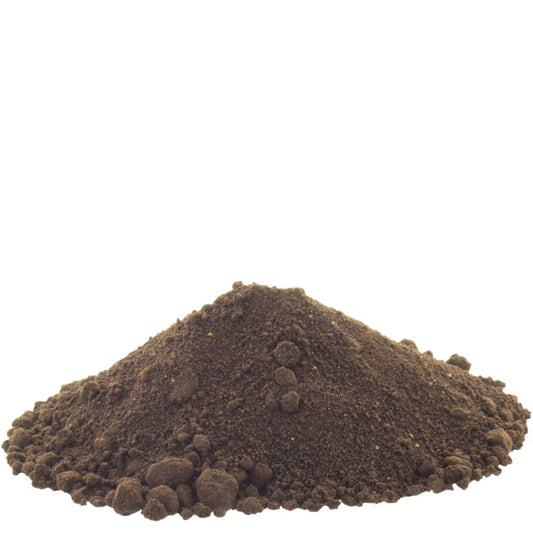
Triphala Powder
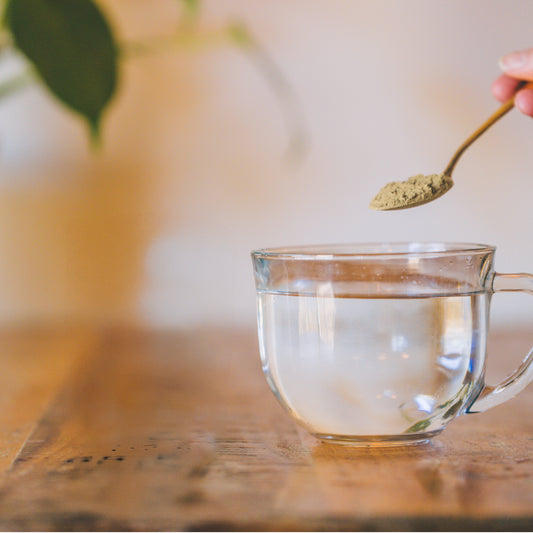
The most traditional way to receive triphala's health benefits is to drink it as a tea. This method allows you to fully taste the herbs, which is considered in Ayurveda to be an important part of the healing process.
Taste activates the digestive process and sends signals to the body as to what to expect. This initiates the body's own inner healing mechanisms and prepares the digestive system for optimal assimilation.
Triphala contains five of the six tastes recognized in Ayurveda (sweet, sour, bitter, pungent, and astringent), only missing the salty taste. Perhaps because the Western diet is so lacking in bitter and astringent, these are the two most prominent tastes for most people, which can make drinking the tea somewhat unpleasant initially.
Over time, as the system becomes more balanced, it is not uncommon for the taste one perceives to evolve into a sweeter experience.
To take triphala as a tea, make a decoction by adding 1/2 teaspoon of triphala powder to a cup of hot water. Stir and allow the tea to cool, then drink. Alternatively, you can allow the triphala to soak overnight and strain the powder in the morning. If you're wondering whether the strained liquid still have the same benefits, the answer is yes!
Triphala is balancing for all doshas, but you may be asking, "Will hot triphala tea aggravate my pitta dosha?" Not necessarily—while heat can aggravate pitta, triphala's cooling ingredients (especially amla) will help balance that heating action. You can also allow the tea to cool to warm or room temperature before drinking.
Triphala Tablets
Triphala tablets provide a more convenient way to take this formula, especially for those who travel frequently, have time constraints, or simply do not like the taste of triphala tea.
Tablets also provide the opportunity to taste the herbs, sending important signals to the digestive system to prepare for the formula's benefits. This is why many Ayurvedic practitioners prefer to give their patients triphala tablets instead of triphala capsules.
A general suggested dose is to take 1–4 tablets before bed or first thing in the morning, or as directed by your health practitioner.
Triphala Liquid Extract
Triphala liquid extract offers another convenient option. It is also easy to assimilate and has a long shelf life.
This liquid triphala extract is made from the same certified organic fruits used in making the herbal tablets and is extracted using non-GMO, gluten-free grain alcohol that helps preserve the formula's bioactive compounds and benefits.
A typical dose is a dropper full (about 30 drops) taken in 1–2 ounces of water or juice, one to three times daily, or as directed by your healthcare practitioner.
Triphala Ghee
Triphala Ghee offers another traditional way to take this formula. Formulated by Ayurvedic physician Vasant Lad, BAM&S, MASc, Triphala Ghee infuses the benefits of triphala into grass-fed ghee, which acts as an anupan. This herbal ghee is a gently cleansing and rejuvenating tonic that is especially nourishing and gentle on the digestive system.
Other Methods
In addition to these methods, there are several other ways to use triphala to support your health. It can be used to create a triphala face mask, a hair wash, and is traditionally used as a triphala mouth wash for oral health (to note, triphala is included in our Tooth Powder!).
Triphala powder can even be used as an eye wash. If you're curious about this application, we recommend first seeking the guidance of a qualified Ayurvedic practitioner.
Is Triphala Safe?
Triphala Side Effects
Triphala is a natural detoxifying formula. As part of the cleansing process, it is not uncommon for toxins to be released from the deeper tissues and enter the bloodstream on their way out of the body.
When many toxins are released at once, it can prompt what may be considered triphala side effects. For some people, this can manifest as a headache, rash, or nausea, in addition to gas, upset stomach, and diarrhea.
Since triphala supports healthy elimination and works gently on the digestive system, it is not uncommon to experience looser bowel movements than usual. All of these reactions can be normal byproducts of the cleansing process and typically subside as the body adjusts.
If your cleansing experience becomes too intense, you can stop taking triphala until the symptoms subside. Alternatively, you can simply reduce the amount you are ingesting. If symptoms persist, it is best to discontinue use and consult an Ayurvedic practitioner.
Who Should Use Caution with Triphala
While triphala can help with occasional constipation, it is not intended to support chronic constipation, nor is it indicated for other functional gastrointestinal disorders, which can be a sign of underlying conditions that may require practitioner support.
Other situations requiring caution can include diarrhea, dysentery, and if you are pregnant or nursing. There are no known drug interactions with the herbs that make up triphala.19,20 Some studies do report findings that would advise caution in people taking blood-thinning medicines,21,22 as triphala may affect platelet function, so consulting with a health professional is recommended for those on anticoagulant therapy.
From an Ayurvedic perspective, if your stools are dry and hard, consider using haritaki in place of triphala for more targeted support.
For those asking, "Can trihpala be given to children?", it's best to consult with a qualified healthcare practitioner before giving dietary supplements to children. Guidance from a health professional ensures appropriate dosing and suitability for younger individuals.

Growing and Harvesting Banyan's Triphala
The three fruits that combine to make triphala grow on trees that are relatively abundant in many parts of India. These medicinal plants can be found growing naturally in the wild and are also cultivated on privately owned farms.
Harvesting and processing the fruits in triphala is labor-intensive. The process include picking the fruits by highly skilled tree climbers, then washing, drying, and removing the pits. The dried fruits are then ground and mixed into triphala powder. The traditional processing techniques used help preserve the bioactive compounds and ensures the efficacy of the final product.
Banyan strongly believes in environmental stewardship and maintaining socially responsible relationships with our sourcing partners. We are committed to Fair Trade principles and proud to offer Triphala powder and tablets that are certified Fair for Life Fair Trade.
This ensures that we pay above-market wages and invest in the education and well-being of our farmers, collectors, and their communities.
Sustainability of Triphala
While the trees that provide the fruits for triphala are not hard to find in India, where and how the fruits are harvested makes a big difference in sustainability. To ensure long-term sustainability of these beloved medicinal plants, Banyan sources amla, bibhitaki, and haritaki that have either been cultivated on privately owned farms or gathered from ethical and sustainable sources.
As a part of a larger conversation regarding the sustainability of Ayurvedic herbs, it is important to understand where and how plants are grown and harvested when you're making your purchasing decisions. Sustainable sourcing practices help protect these plants so they will remain available for future generations.
At Banyan, our herbal ingredients are harvested at optimal times, using environmentally responsible practices sensitive to the long-term health of the plants and their ecosystems. This commitment to sustainability supports both human health and planetary well-being.

More for You
How to Improve Digestion
Gain a deeper understanding and appreciation of the role digestion (agni) plays in your overall health, and learn practical tools to keep your digestion strong.
References
1 Tarasiuk, Aleksandra, Paula Mosińska, and Jakub Fichna. “Triphala: Current Applications and New Perspectives on the Treatment of Functional Gastrointestinal Disorders.” Chinese medicine. U.S. National Library of Medicine, July 18, 2018. https://www.ncbi.nlm.nih.gov/pmc/articles/PMC6052535/.
2 Peterson, Christine, and Aunna Pourang. “Modulatory Effects of Triphala and Manjistha Dietary Supplementation on Human Gut Microbiota: A Double-Blind, Randomized, Placebo-Controlled Pilot Study.” Journal of alternative and complementary medicine (New York, N.Y.). U.S. National Library of Medicine, September 2018. https://pubmed.ncbi.nlm.nih.gov/32955913/.
3 Ibid
4 Yang, Kang, Xiaolin Deng, and Shiyan Jian. “Gallic Acid Alleviates Gut Dysfunction and Boosts Immune and Antioxidant Activities in Puppies under Environmental Stress Based on Microbiome-Metabolomics Analysis.” Frontiers in immunology. U.S. National Library of Medicine, January 2022. https://pubmed.ncbi.nlm.nih.gov/35095912/.
5 Peterson, Christine Tara, Kate Denniston, and Deepak Chopra. “Therapeutic Uses of Triphala in Ayurvedic Medicine.” Journal of alternative and complementary medicine (New York, N.Y.). U.S. National Library of Medicine, August 2017. https://pubmed.ncbi.nlm.nih.gov/28696777/.
6 Pole, Sebastian. Ayurvedic Medicine: The Principles of Traditional Practice. Churchill Livingston, 2006. 126-127, 145-146, 194-195.
7 “Natural Medicines.” Welcome to the Natural Medicines Research Collaboration, n.d. http://www.naturalstandard.com/.
8 G. H. Naik, et al. In vitro antioxidant studies and free radical reactions of triphala, an ayurvedic formulation and its constituents. Phytotherapy Research 2005; 19(7): 582-586.
9 Peterson, Christine Tara, Kate Denniston, and Deepak Chopra. “Therapeutic Uses of Triphala in Ayurvedic Medicine.” Journal of alternative and complementary medicine (New York, N.Y.). U.S. National Library of Medicine, August 2017. https://pubmed.ncbi.nlm.nih.gov/28696777/.
10 10 Pole, Sebastian.
11 Ibid
12 Tarasiuk, Aleksandra, Paula Mosińska, and Jakub Fichna. “Triphala: Current Applications and New Perspectives on the Treatment of Functional Gastrointestinal Disorders.” Chinese medicine. U.S. National Library of Medicine, July 18, 2018. https://www.ncbi.nlm.nih.gov/pmc/articles/PMC6052535/.
13 Ibid
14 Pole, Sebastian.
15 Dick, Michael. Some Words about Triphala.
16 Sharma, P. V. Caraka Samhita. Volume 4, Chikitsa-Sthana, 1.16-37.
17 Pole, Sebastian
18 Tierra, Michael. The Wonders of Triphala.
19 Pole, Sebastian.
20 Williamson, Elizabeth. Major Herbs of Ayurveda. Churchhill Livingston, 2002. 210-214, 294-297, 298-301.
21“Natural Medicines.” Welcome to the Natural Medicines Research Collaboration, n.d. http://www.naturalstandard.com/.
22Ihantola-Vormisto, A., Summanen, J., Kankaanranta, H., Vuorela, H., Asmawi, Z. M., and Moilanen, E. Anti-inflammatory activity of extracts from leaves of Phyllanthus emblica. Planta Med 1997;63(6):518-524
23Ahmed, Suhail, Xianting Ding, and Alok Sharma. “Exploring Scientific Validation of Triphala Rasayana in Ayurveda as a Source of Rejuvenation for Contemporary Healthcare: An Update.” Journal of ethnopharmacology. U.S. National Library of Medicine, June 2021. https://pubmed.ncbi.nlm.nih.gov/33465446/.
24Peterson, Christine, and Aunna Pourang. “Modulatory Effects of Triphala and Manjistha Dietary Supplementation on Human Gut Microbiota: A Double-Blind, Randomized, Placebo-Controlled Pilot Study.” Journal of alternative and complementary medicine (New York, N.Y.). U.S. National Library of Medicine, September 2018. https://pubmed.ncbi.nlm.nih.gov/32955913/.
25Phetkate, Pratya, Tanawan Kummalue, and Prasob Rinthong. “Study of the Safety of Oral Triphala Aqueous Extract on Healthy Volunteers.” Journal of integrative medicine. U.S. National Library of Medicine, January 2020. https://pubmed.ncbi.nlm.nih.gov/31680053/.
26Tarasiuk, Aleksandra, Paula Mosińska, and Jakub Fichna. “Triphala: Current Applications and New Perspectives on the Treatment of Functional Gastrointestinal Disorders.” Chinese medicine. U.S. National Library of Medicine, July 18, 2018. https://www.ncbi.nlm.nih.gov/pmc/articles/PMC6052535/.
27Peterson, Christine Tara, Kate Denniston, and Deepak Chopra. “Therapeutic Uses of Triphala in Ayurvedic Medicine.” Journal of alternative and complementary medicine (New York, N.Y.). U.S. National Library of Medicine, August 2017. https://pubmed.ncbi.nlm.nih.gov/28696777/.
28S;, Bajaj N;Tandon. “The Effect of Triphala and Chlorhexidine Mouthwash on Dental Plaque, Gingival Inflammation, and Microbial Growth.” International journal of Ayurveda research. U.S. National Library of Medicine, January 2011. https://pubmed.ncbi.nlm.nih.gov/21897640/.
29 Vinay Kumar Bairwa, Arun Kumar Kashyap, Pushpa Meena, and Buddhi Prakash Jain, “Triphala’s Characteristics and Potential Therapeutic Uses in Modern Health,” International Journal of Physiology, Pathophysiology and Pharmacology 17, no. 2 (April 25, 2025): 19–36, https://doi.org/10.62347/OBSS5026. Accessed via PubMed Central: https://pmc.ncbi.nlm.nih.gov/articles/PMC12089839/.
30Wenjun Wang, Olufola Oladoyin Ige, Yi Ding, Mengshan He, Pan Long, Shaohui Wang, Yi Zhang, and Xudong Wen, “Insights into the Potential Benefits of Triphala Polyphenols toward the Promotion of Resilience against Stress‑Induced Depression and Cognitive Impairment,” Current Research in Food Science 6 (June 2, 2023): 100527, https://doi.org/10.1016/j.crfs.2023.100527. Accessed via PubMed Central: https://pmc.ncbi.nlm.nih.gov/articles/PMC10291000/.