Ashwagandha (Withania somnifera) is one of the most revered herbs in the Ayurveda pharmacopoeia. Known as a premier rasayana (rejuvenative tonic), it has been used for thousands of years to nourish the whole body and mind.¹ As an adaptogen, ashwagandha helps the body resist stress while sustaining vital energy during the day and promoting restful sleep at night.²
Here lies one of the most remarkable benefits of ashwagandha: it is not only among Ayurveda's top herbs for energy, but also helps calm the mind. What a helpful herbal ally to have in our modern culture of perpetual stress!
Whether you are curious about growing ashwagandha in your own garden or simply want to understand what makes this herb so special, this guide covers everything from its physical characteristics and growing conditions to how Banyan sources its ashwagandha root with care.
Characteristics of the Ashwagandha Plant
Ashwagandha plants are native to India, northern Africa, and the Middle East. Today, they can be grown in temperate climates around the world, including the United States—the plant grows abundantly at Banyan Farm in Southern Oregon.
This perennial shrub grows up to 3 feet tall. The whole plant is covered in silver-gray, felted hairs, and the leaves are oval and about 2 to 6 inches long. Its small, yellow-green, star-shaped flowers grow up to a half inch in any direction.
The ashwagandha berry is enclosed in a papery calyx that serves as protection. When the berries ripen, they turn a distinctive red color, looking much like tiny cherry tomatoes. Although the leaves and berries have therapeutic value, most of the medicinal properties come from the stout, fleshy roots of the shrub.³ From the scientific perspective, these roots are rich in naturally occurring compounds called withanolides, which are among the most studied active constituents in herbal medicine today.
If you're interested in growing your own ashwagandha for your home apothecary, we invite you to purchase organic ashwagandha seeds that were carefully grown and gathered at Banyan Farm.

What's in a Name?
The Sanskrit word ashwagandha translates to "the smell of a horse" (ashwa, horse; gandha, smell). This name refers to the herb's ability to bring you the essence of a horse, meaning strength and stamina, while nourishing the reproductive and nervous systems.
Its botanical name, Withania somnifera, tells us something important about this herb. Somnifera translates as "sleep-inducing," reflecting the calming properties that bring energy by supporting deeper rest. In Ayurveda, this dual ability to both energize and calm is one of ashwagandha's most valued qualities.
Ashwagandha has other common names as well. It is often called winter cherry because of its small, red berry fruit. It belongs to the Solanaceae, or nightshade family, the same family as tomatoes and potatoes. Another common name is Indian ginseng, though it is not related to the ginseng family; it most likely gets this name from its energy-promoting qualities.
Health Benefits of the Ashwagandha Root
Ashwagandha root is one of the most widely studied herbs in Ayurvedic herbal medicine. Its primary reputation is as an adaptogen, a class of herbs that help the body manage and respond to stress in a healthy way.
A 2024 systematic review and meta-analysis found that ashwagandha had meaningful effects on perceived stress, anxiety, and cortisol levels across multiple clinical trials.² Researchers noted improvements in both subjective stress scores and objective markers like serum cortisol. These findings align with what Ayurvedic practitioners have observed for centuries: that ashwagandha helps build resilience without overstimulating the system.
Beyond reducing stress, ashwagandha is traditionally used to support restful sleep, healthy energy levels, and overall vitality. In Ayurveda, it is classified as a rasayana, a category of herbs that promote longevity, rejuvenation, and deep nourishment across the body's tissues.¹ This makes it especially well-suited for anyone navigating the demands of a busy modern life.
The roots contain a range of active compounds, including withanolides and sitoindosides, which have been explored for their healthy inflammatory response and neuroprotective properties.³ While research continues to unfold, the traditional uses of ashwagandha are increasingly supported by modern science.
Growing Conditions for Ashwagandha
Ashwagandha thrives in arid conditions and poor quality, alkaline soils, making it remarkably drought-tolerant. While most plants would suffer in this environment, ashwagandha flourishes. This hardy nature mirrors the herb's ability to help the body adapt to stress.
In its native habitat, ashwagandha grows in the drier regions of India, Pakistan, Sri Lanka, and parts of northern Africa. The plant prefers sandy or loamy soil with good drainage, full sun, and warm temperatures. It does not tolerate heavy, waterlogged ground and is sensitive to frost.
Much of Banyan's ashwagandha is sourced from central and northwestern India, including fRajasthan, Chittorgarh, and Madhya Pradesh. We also source a significant amount domestically from Regenerative Organic Certified farms in Oregon.⁴

From Seed to Harvest
How herbs are grown on the farm has a real influence on the quality of the final product. For ashwagandha, proper spacing is crucial to developing healthy roots. Plants grown too close together compete for nutrients, resulting in thinner, less potent roots. It is equally important to plant and harvest at just the right time for a good yield.
Seeds are typically planted at the beginning of the monsoon season and harvested about five months later. The harvest window matters: roots gathered too early may not have developed their full concentration of active compounds, while roots left in the ground too long can become woody and fibrous.
After harvest, the roots are carefully cleaned, dried, and processed. The quality of this post-harvest handling directly affects the potency and purity of the final herb, whether it ends up as powdered ashwagandha root, tablets, or liquid extract.
Explore how to take ashwagandha and learn more about Banyan's ashwagandha benefits and harvesting practices.
How Banyan Sources Ashwagandha
Banyan Botanicals takes a hands-on approach to sourcing ashwagandha. Our team works directly with farming communities in India and with our domestic partners in Southern Oregon to ensure that every batch meets rigorous standards for quality, purity, and sustainability.
All of Banyan's ashwagandha is certified organic, meaning it is grown without synthetic pesticides, herbicides, or fertilizers. Our domestic supply comes from Regenerative Organic Certified farms in Oregon, which go beyond organic standards to prioritize soil health, farmworker fairness, and ecological stewardship.⁴
Banyan also maintains Fair for Life Fair Trade certification across our supply chain, ensuring that the farmers who grow these herbs are paid fairly and work in safe conditions. Every product undergoes third-party testing for identity, purity, and potency before reaching your hands.
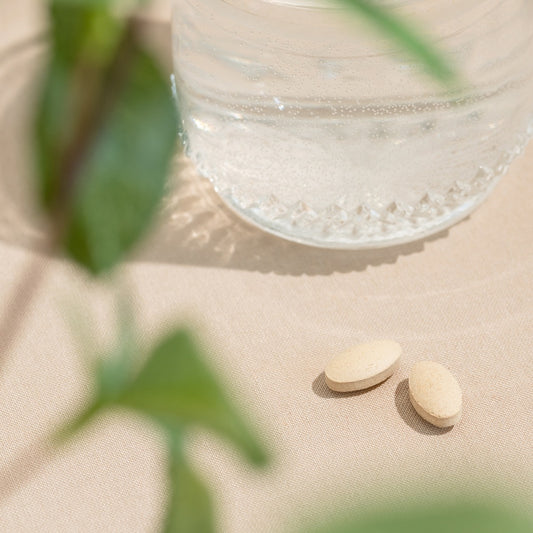
This commitment to quality means that whether you choose ashwagandha tablets, powder, or liquid extract, you can trust the integrity of what you are taking.
FAQs: Growing Ashwagandha
Can you grow ashwagandha at home?
Yes. Ashwagandha can be grown at home in containers or garden beds. The plant prefers warm temperatures, plenty of sun, and well-drained soil. It is drought tolerant once established, making it a relatively low-maintenance herb for temperate climates. If you live in a cooler region, start seeds indoors about 6 to 8 weeks before the last frost.
Banyan offers organic ashwagandha seeds grown at Banyan Farm in Southern Oregon. These seeds are certified organic, open-pollinated, and cultivated using regenerative farming practices.
When is ashwagandha ready to harvest?
Ashwagandha roots are typically ready to harvest about five months after planting. The plant signals readiness when the berries ripen and turn red. At that point, the roots have developed the active compounds that make ashwagandha so valued in Ayurvedic herbal medicine.
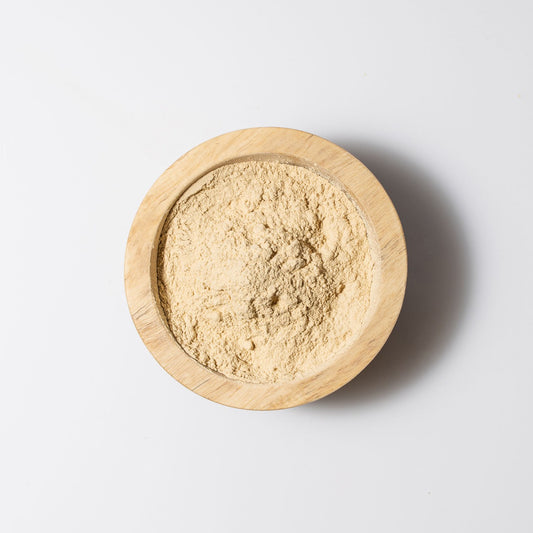
For a ready-to-use option, Banyan's ashwagandha powder is made from certified organic ashwagandha root and can be mixed with warm water, milk, or honey for daily use.
What are the main health benefits of ashwagandha?
Ashwagandha is best known as an adaptogen that helps the body manage stress. A 2024 systematic review found that it had meaningful effects on perceived stress and anxiety across multiple clinical trials.² It is also traditionally used in Ayurveda to support energy, restful sleep, and overall vitality as a rasayana.¹
Banyan carries ashwagandha in several forms, including tablets, powder, and liquid extract. Each is made with sustainably sourced, certified organic ashwagandha root. Consult your healthcare practitioner before starting any new herbal routine.
What part of the ashwagandha plant is used?
The roots are the most widely used part of the ashwagandha plant. They contain the highest concentration of withanolides and other active compounds that give ashwagandha its adaptogenic and rejuvenative properties. The leaves and berries also have therapeutic value, but most traditional preparations and modern supplements focus on the root.
Banyan's ashwagandha products are made from certified organic ashwagandha root, sourced from farms that meet the highest standards for quality and sustainability.