7 Ayurvedic Ways to Ease Your Fall Blues
Key Takeaways
- Pranayama Practice: Mindful yogic breathing may support prana flow and energy, helping lift fall-time low mood while complementing outdoor light exposure, walking, and a balanced yoga routine.
- Warm Oil Massage: Daily self-massage with warm oil, such as Brahmi oil to scalp and body, may ground vata, promote calm, and support relaxation and restorative sleep.
- Ashwagandha Support: Combining ashwagandha blends like Stress Ease, antioxidant chyavanprash, and cooked greens or Everyday Greens powder may nourish prana and help sustain energy through shorter daylight months.
When the Change of Season Brings the Blues
As the daylight hours start to shorten and the temperature begins to drop, you may experience a subtle (or sometimes not so subtle) shift in your mood and emotions.
The fall and winter seasons naturally bring a slower pace as nature goes into hibernation. But for many, this slowing also brings a sense of having the blues or feeling gloomy. This low-energy state is often linked to the limited light exposure during this time.
From an Ayurvedic perspective, the limited light affects prana, the life force, and thereby creates a shift in our mood and energy levels.
Prana is the subtle energy that brings life to all beings and creation. It is associated with the breath, though it is not limited to the breath. Ideally, this life energy flows freely and rhythmically throughout the body, providing energy, vigor, health, and even joy. When prana faces a blockage or stagnation in the body, it begins to create trouble. Depending on the location of the blockage, you may develop local pain, a sense of uneasiness, mental anxiousness, or other signs of reduced or agitated life energy.

According to Ayurveda, one major source of prana in our world is sunlight. The importance of sunlight on our health has been studied for decades and is well documented and recognized. For example, scientific research has made the connection between exposure to sunlight and an increase in the hormone serotonin, which boosts mood, as well as overall mental health and sleep.1,2
The sun's subtle gift is the life force of prana, which it infuses into all creation, including plants and trees as well as animals and humans. It is a vital and integral part of our existence and our sense of well-being.
But what is one to do when nature must take its natural course, and we are left with limited hours of sunlight?
Add to that dilemma our daily schedules, keeping us indoors at work and school during those precious hours when the sun is shining. Of course the natural answer is to maximize your exposure to light when possible. Take a walk in the sun during your lunch break. Keep the artificial light in your house and office as close to natural light as possible. But what else can one do to maximize the prana that is available and chase away those gloomy moods?
Ayurveda has a solution—many, in fact—that can help make this fall transition much more gentle. Here are seven tips that will help you stay energetic, engaged, and healthy all season

7 Tips for an Easier Seasonal Transition
Practice Pranayama
Pranayama is a series of yogic breathing practices help to maximize your use of the prana available to you and also help the prana flow freely in the body without blockage or stagnation. These practices work directly with the vital life energy of prana in the body, and they are intended to increase awareness.
There are numerous techniques, each of which has specific indications and benefits. If you're not sure where to start, Nadi Shodhana (Alternate Nostril Breathing) is considered a suitable practice for most and is balancing for the body-mind. Pranayama can also be learned from an experienced teacher.
Enjoy Warm Oil Massage
Warm oil massage. This luxurious self-treatment, known as abhyanga in Ayurveda, is beneficial for all body types and can be used throughout the year. For this time of year particularly, it helps ground vata and bring a sense of calm.
If your mood is affected, a massage to the head and scalp with warm Brahmi Oil brings clarity and energy to the mind while helping support healthy sleep patterns when used at night.
Exercise
Moderate activity is known to help activate the body's inner pharmacy, releasing mood supporting hormones and providing revitalization and detoxification. A healthy yoga routine can combine both the benefits of exercise and pranayama.
You can also choose exercise that allows you to be outside, such as taking that walk on your lunch break, going on a jog or hike, or taking a walk in the morning light.
Take Chyavanprash
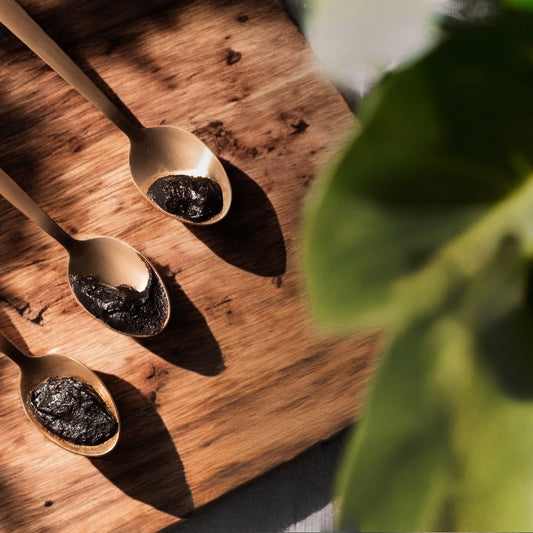
Chyavanprash is a traditional Ayurvedic jam based on ancient recipes that contains the health-promoting antioxidant effects of superfruit amalaki (also known as amla, or Indian gooseberry). Also called "chyawanprash," it is known particularly for its beneficial support of the immune system, it is a delicious addition to anyone's regimen during this time of year.
Adjust Your Diet for the Season
Consider starting to eat the foods that naturally feel warm and nourishing in the winter—especially hearty soups and cooked foods with moderate amounts of healthy oils. Think of the foods that are said to “feed the soul.” These will help feed the life energy and bring vigor. These warm, nourishing meals are considered vata-balancing foods, which is perfect at this time of year.
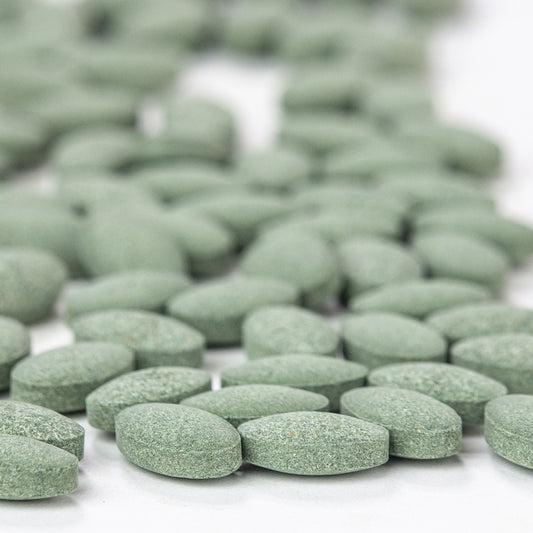
It's also important to get enough greens. Nature's way of storing the life energy is in the chlorophyll of green plants. If you find yourself lagging behind and need a boost, try adding some fresh cooked greens to your diet as another source of prana. If adding enough greens is difficult, try our high quality combination of greens in Everyday Greens.
Welcome in Rejuvenating Herbs
There are numerous rejuvenating herbs in the Ayurvedic pharmacopeia that support healthy energy and overall wellness. The following are excellent for this time of year:
- Ashwagandha is a powerful Ayurvedic herb and adaptogen that helps both mood and energy by supporting the nervous system and grounding vata.
- Stress Ease, combines aswhagandha with the calming and clarifying qualities of brahmi (or gotu kola) and the rejuvenative benefits of mucuna, along with other supportive herbs. This blend maximizes the body's ability to handle stress and provides a natural source of energy.
- Mood Support is crafted with highly researched mood-enhancing herbs, including saffron, rose, and beet, to enhance mental outlook and promote emotional well-being.
Mood Support and Stress Ease can also be taken together if there is a desire to address both stress and mood.
If you are experiencing even a touch of the blues as the seasons change, give these Ayurvedic tips a try!
FAQs: Balancing the Fall Blues
1. Why can my mood change when the seasons change?
Scientific research has shown that simply the amount daylight is enough to impact mood. In addition, Ayurveda recognizes that shorter days, colder weather, and changes in daily routines can all influence how you feel during the fall and winter months. Fall is associated with vata, which is characterized by qualities such as coolness, dryness, lightness, and movement. Creating warmth, consistency, and nourishment in your daily routine can help support overall well-being during this transition.
2. How can I get more natural light in the fall?
Make the most of the daylight available by spending time outdoors during the brighter parts of the day. A morning walk, outdoor exercise, or even taking your lunch break outside can help you get more natural light while staying active. You can also open curtains and blinds during the day and arrange your workspace near a window when possible. These simple habits can help you stay connected to the natural rhythms of the season.
3. What is the Ayurvedic approach to balancing vata in the fall?
Ayurveda traditionally recommends countering vata's cool, dry, light, and mobile qualities with warmth, nourishment, routine, and grounding practices. In everyday life, this might mean eating more warm, cooked meals; maintaining regular mealtimes and sleep habits; practicing warm oil massage; enjoying gentle or moderate movement; and incorporating calming practices such as pranayama. These habits can help you create a more grounded foundation as the seasons change.
4. What's the difference between the fall blues and seasonal depression?
The “fall blues” generally refers to a temporary shift in mood, energy, or motivation that may accompany the change in seasons. Seasonal affective disorder (SAD), or seasonal depression, is a form of depression that follows a recurring seasonal pattern and can significantly affect daily life. If changes in mood are persistent, severe, or interfering with your ability to function, consider speaking with a qualified health professional.

More for You
Fall Cleanse Guide
Now is a great time to consider doing a simple Fall Cleanse. A cleanse is an easy way to buffer your health and protect your well-being for the coming months and beyond.
An Introduction to Ayurvedic Cleansing
At its core, an Ayurvedic cleanse is focused on supporting healthy digestion and elimination. The end result is an improved sense of balance and overall health.