Ashwagandha Benefits
Your Complete Guide to Ayurveda’s Most Popular Adaptogen
Ashwagandha (Withania somnifera) has been used in
Deeply supportive of many tissues and body systems, including the immune, reproductive, and endocrine systems, ashwagandha is a wonderful herb that helps nourish overall health and well-being.
Whether you're dealing with the effects of stress, looking to improve the quality of your sleep, or want to support a healthy reproductive system, taking ashwagandha offers comprehensive benefits.
From supporting a calm mind to promoting sustained energy and vitality, ashwagandha root has earned its place as one of Ayurveda's most trusted herbs for those seeking modern wellness support.
In this article:
- Characteristics of the Ashwagandha Plant
- Ashwagandha Benefits
- Research on Ashwagandha
- Ashwagandha Uses
- Ashwagandha Recipes
- Growing Ashwagandha
What's in a Name?
A fun fact about this beloved Ayurvedic herb is that the Sanskrit word “ashwagandha” translates as “the smell of a horse,” (ashwa—horse, gandha—smell), which refers to its ability to bring you the strength and stamina of a horse while nourishing the female and male reproductive and nervous systems.
Its botanical name, Withania somnifera, also tells us something about this herb: somnifera translates as “sleep-inducing,” reflecting its relaxing and calming properties that bring us energy by supporting deeper rest and improved sleep quality.
Ashwagandha has other names as well. It is often called “winter cherry,” referring to its small, red berry fruit that resembles a tiny cherry tomato.
Withania somnifera belongs to the Solanaceae, or nightshade, family, which includes tomatoes and potatoes. Another common name is “Indian ginseng,” though it is not related to the ginseng family and most likely gets this name in reference to its energy-promoting qualities.

Characteristics of the Ashwagandha Plant
Ashwagandha plants are native to India, northern Africa, and the Middle East, but they can now be cultivated in temperate climates worldwide, including in the United States. Our partners at Banyan Farm in Southern Oregon has had great success in growing ashwagandha!
Interestingly, ashwagandha's adaptogenic properties and its ability to help the body adapt to stress is reflected in the fact that the plant thrives in arid conditions and in poor quality, alkaline soils. While most plants would suffer from severe stress in this environment, ashwagandha flourishes.
This perennial shrub grows up to three feet tall, and the entire plant is covered in silver-gray, felted hairs. The leaves are oval and about two to six inches long, and its small, yellow-green, star-shaped flowers grow up to a half-inch in any direction. The ashwagandha berry is enclosed inside a papery calyx that serves as protection for the fruit.
Although the leaves and berries have therapeutic value, most of the benefits are derived from the stout, fleshy roots of the shrub.
The Benefits of Ashwagandha
Ashwagandha is used to tone, support, strengthen, and revitalize bodily functions. It has been revered over time for its dual capacity to energize and calm at the same time.
Maximizing the body's stress response, it enables the body to reserve and sustain vital energy throughout the day while promoting sound, restful sleep at night.
Our bodies have a finely-tuned and complex response to stress. When we are regularly under stress, this can keep our systems bathed in stress hormones, which can lead to a heightened reaction to stress. This can lead to chronic stress, which can cause fatigue (among other things), often manifesting as “hyper” signs like agitation and difficulty sleeping. By providing a nourishing, yet energizing effect, ashwagandha root can support a healthy nervous system and endocrine system.
Using ashwagandha helps reduce stress on the nervous system, and the “hyper” signs of stress and agitation will naturally resolve over time. In this way, ashwagandha has a rejuvenating and calming influence on the nervous system and, consequentially, on the entire being.
This quality of ashwagandha makes it a prime supplement to use in the
- Supports a healthy immune system*
- Promotes a calm mind*
- Fosters healthy sleep patterns and quality of sleep*
- Supports a healthy reproductive system*
- Promotes vitality and a healthy libido*
- Supports sustained energy levels and strength, including with physical activity*
- Supports healthy muscle tissues*
- Supports a healthy endocrine system*
- Promotes healthy function of the adrenals*
It's worth noting that this herb does have a warming quality. From the Ayurvedic perspective, this makes it particularly balancing for
We recommend using it with other herbs to balance out those heating qualities. A great way to do this is by taking an herbal formula like Stress Ease, which blends ashwagandha with cooling herbs such as shatavari.
Research on Ashwagandha
As ashwagandha grows in popularity, it has attracted the attention of modern research, and its benefits are increasingly backed by scientific evidence. Multiple clinical trials and studies have examined the health benefits of this adaptogenic herb.
- Placebo-controlled studies have examined its impact on the immune system, including possible immune system support during radiation and chemotherapy, as well as potentially helping with chemotherapy-induced fatigue.1
- Used in combination with licorice (Glycyrrhiza glabra), shatavari (Asparagus racemosus), safed musli (Chlorophytum borivillanum), and sesame seeds (Sesamum indicum), ashwagandha has been shown to support healthy cholesterol levels and improved antioxidant activity.2
- A randomized double-blind placebo-controlled trial using ashwagandha root extract on healthy adults with high stress has demonstrated its stress-relieving effects, demonstrating its ability to help support individuals in times of stress and anxiousness.3
- A study exploring male infertility has shown ashwagandha's ability to improve the health and vitality of the male reproductive system, improve semen quality, and support healthy testosterone levels.4
- A double-blind, placebo-controlled study on ashwagandha supplementation has been shown to support muscle mass, strength, and recovery.5
- A randomized, parallel-group, placebo-controlled study found a significant improvement in sleep parameters for participants, including a reduction in sleep onset latency, overall sleep quality, and mental alertness.6
Additional research and clinical evaluations on ashwagandha (Withania somnifera) can be reviewed on PubMed.

Ashwagandha Uses
Ashwagandha is incredibly versatile: it can be taken as a powder, a tablet, or a liquid extract. As an added bonus, ashwagandha root actually tastes good, and you can use it in recipes.
What time should you take ashwagandha? This herb can be taken with or without food at any time of the day, even right before bed. Many prefer to incorporate their ashwagandha supplementation in the morning to support sustained energy or in the evening to support healthy sleep.
And while ashwagandha is a powerful herbal ally in its own right, you may wonder, "Can ashwagandha be taken with other herbs?" The answer is absolutely! It is often mixed with other herbs and can be found in many of our herbal blends.
How to Take Ashwagandha
To get the full benefits of ashwagandha, you can start with the following dosing suggestions (or as directed by your health practitioner):
-
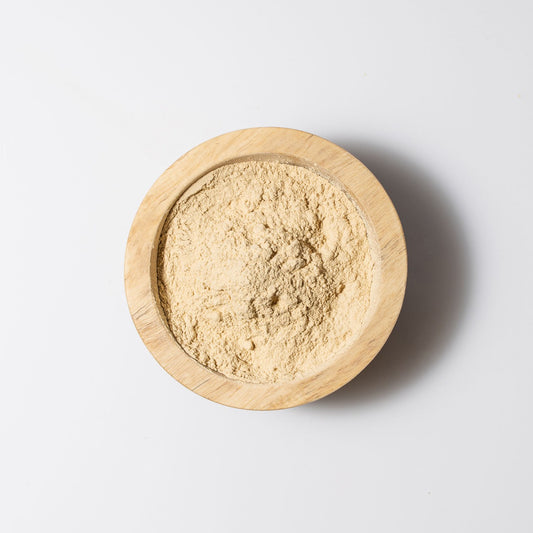
Ashwagandha Powder: Mix ¼–½ teaspoon of ashwagandha powder with warm water or milk once or twice daily. It can also be mixed with warm milk and honey, two
-
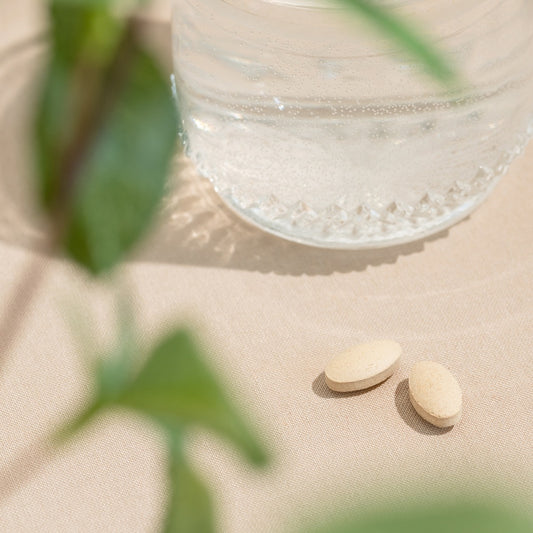
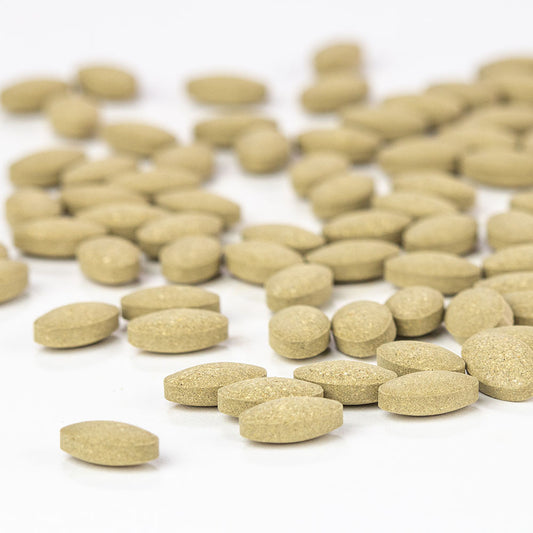
Ashwagandha Tablets: If you're looking for a convenient ashwagandha supplement, take 1–2 tablets, once or twice daily, with or without food. Tablets are a great choice if you travel a lot, are short on time, or if you don’t like the taste of ashwagandha powder.
-
Ashwagandha Liquid Extract: This is another convenient option. Add 30 drops of this ashwagandha extract to water or juice, 1–3 times daily. For added benefit, it is easy for the body to assimilate and has a long shelf life.
Ashwagandha in Formulas
If you're looking for an herbal blend with ashwagandha, Banyan Botanicals also uses ashwagandha in many product formulas, including the following:
- Healthy Vata: Grounding blend that restores balance and serenity to vata dosha.
- I Sleep Soundly: Calming herbs to support healthy sleep quality and restful sleep.
- Men's Support: Rejuvenating blend that supports the male reproductive system, including a healthy libido and prostate function.
- Stress Ease: Well-balanced adaptogen blend that helps reduce stress and support healthy energy.
- Ashwagandha Oil+: Nourishing herbal oil blend that replenishes the neuromuscular system and calms the mind.
- Ashwagandha Latte: An herbal adaptogen latte supports healthy energy and relaxation—and is delicious way to incorporate ashwagandha into your day.
- Everyday Endurance: Supports sustained energy for physical performance and active lifestyles.
Each formula combines ashwagandha with complementary herbs to support specific aspects of health and well-being. Explore our full collection of ashwagandha products.
Popular Ashwagandha Recipes
If you want some creative inspiration for incorporating ashwagandha into food, here are some of Banyan's favorite ashwagandha recipes:
- Grounding Trail Mix: A nourishing snack combining ashwagandha root with nuts and dried fruit to support stress reduction and sustained energy levels throughout the day.
- Comforting Cashew Night Tonic: A creamy evening beverage featuring Withania somnifera blended with cashews and warming spices to promote sleep quality and restful sleep at night.
- Energy Balancing Truffles: A rich treat that satisfies your taste buds as it harnesses ashwagandha’s ability to support healthy adrenal glands.
- Vata-Balancing Oatmeal: A warm, comforting bowl of oatmeal that includes spices and ashwagandha powder is a wonderful way to start your morning off right.
These recipes offer healthy, enjoyable options for working with ashwagandha. Discover more ways to integrate ashwagandha and other healing herbs into your meals with our Ayurvedic diet guide.
Safety and Precautions with Ashwagandha Supplementation
Ashwagandha is well-tolerated by most healthy adults at recommended doses, while large doses of ashwagandha can cause abdominal discomfort and diarrhea.
From an Ayurvedic perspective, use ashwagandha with caution in cases of excess pitta and
Drug Interactions with Ashwagandha
It is important to first consult your health practitioner prior to starting any new herb if you are on medications or have a medical condition requiring supervision. This includes if you are working with your practitioner to manage chronic fatigue, diabetes medications, mood and anxiety treatments, and medications that support bipolar disorder, as well as in the following situations:
- Thyroid hormone medications: Ashwagandha may increase thyroid hormone levels. Consult your healthcare practitioner before taking this herbal supplement if using thyroid hormones.
- Hormone-sensitive conditions: Those with hormone-sensitive prostate cancer or breast cancer patients should consult their practitioner before taking ashwagandha root.
- Liver health: Rare cases of ashwagandha-induced liver injury have occurred. Discontinue use if liver injury symptoms develop (yellowing skin, dark urine, abdominal pain).
FAQs: Health Benefits of Ashwagandha
What is the main benefit of ashwagandha?
The main benefit of ashwagandha root (Withania somnifera) is its remarkable ability to help you manage stress while supporting your energy. What makes this herbal adaptogen so special is its dual capacity to energize and calm simultaneously.
Taking ashwagandha helps maximize your body's ability to respond to stress in a healthy way, enabling you to sustain vital energy throughout the day while promoting sound, restful sleep at night. It's deeply supportive of your nervous system and endocrine system, helping reduce the intensity of stress and bringing a rejuvenating, calming influence to your entire being.
What happens when you take ashwagandha daily?
Taking ashwagandha daily provides deep nourishment to multiple body systems. It helps tone, support, strengthen, and revitalize your bodily functions. Ashwagandha provides a nourishing yet energizing effect, supporting a healthy nervous system and helping reduce the effects of stress on your body and naturally modulating stress hormones.
Over time, those "hyper" signs of stress, such as sleep disturbances and mental restlessness, naturally resolve. Daily ashwagandha supplementation has a rejuvenating and calming effect on your nervous system, supporting sustained energy throughout the day, promoting restful sleep at night, and as a result, improved cognitive function.
Does ashwagandha help with weight loss?
Ashwagandha may indirectly support body weight management, especially if you're dealing with stress-related eating. While this isn't necessarily a traditional way to use Ashwagandha, from an Ayurvedic perspective, taking ashwagandha helps manage stress, which can contribute to food cravings and body weight challenges.
Ashwagandha is particularly beneficial if you're trying to build and tone your body, as it supports healthy muscle tissues and sustained energy levels for physical activity.
How long does it take for ashwagandha to kick in?
The time it takes for the benefits of ashwagandha to kick in varies depending on what you're using it for. Many healthy adults notice subtle improvements in sleep quality and stress levels within 2–3 weeks of taking ashwagandha daily. However, it can take up to 6 weeks for your body to fully acclimate to ashwagandha and experience its complete range of benefits.
For more significant changes, such as improvements in physical performance, muscle strength, sexual health, or cognitive function, you may need 8–12 weeks of consistent ashwagandha supplementation. The key is daily use, as it helps your body adapt and build resilience over time rather than providing immediate results. Think of it as deeply nourishing; the longer you take it, the more you benefit.
From Seed to Harvest: Banyan's Ashwagandha
Any time you purchase an herb, there are a variety of questions to consider relating to the quality of the herbs, the values of the company, and the impact on the environment. We are committed to providing the highest quality organic ashwagandha that is grown sustainably and traded fairly.
On the Map: Where Banyan's Ashwagandha Is Grown
Much of our ashwagandha is sourced from central and northwestern India, including the regions of Rajasthan, Chittorgarh, and Madhya Pradesh. Our growing partners are certified organic, Fair for Life Fair Trade, and on their way to becoming Regenerative Organic Certified.
We source a significant amount of our ashwagandha domestically as well, from Regenerative Organic Certified farms in Oregon. This certification specifically addresses soil health and farming practices that focus on replenishing the full farm ecosystem.
If you're interested in growing your own ashwagandha for your home apothecary, we invite you to purchase organic ashwagandha seeds that were carefully grown and gathered at Banyan Farm in Southern Oregon.
Caring for the Ashwagandha Plant from Seed to Harvest
As with any farming story, our ashwagandha plants' journey starts with the soil before the seeds are even sown. In order to provide certified organic ashwagandha, we must first start with certified organic land, and all farming practices must meet stringent organic regulations, ensuring no synthetic fertilizers, pesticides, or other harmful chemicals are used.
Our farm partners in India go through regular and random soil testing in NABL accredited labs for organic matter, heavy metals, water TDS (total dissolved solids), and many other parameters. If the test results do not meet certain thresholds, we have a farm team that works with local growers to restore soil health.
In addition, there are local programs in place to provide farmers with a supply of organic matter for soil fixation. The unused plant parts of ashwagandha (stems and leaves) are converted to organic fertilizer with the help of modern machinery and delivered back to the farmers to support soil health in the next growing season.
Ashwagandha seeds are sown at the beginning of the monsoon season in the months of May and June, completely rain fed through the growing season, and harvested approximately five months later. At the end of the harvest season, leguminous crops are grown in the same fields for nitrogen and soil health fixation, and the fields are regular rotated to continue the cycle of building healthy soil.
When it comes to tending the ashwagandha plants, there is also much to consider. If the seedlings are planted too close together, or harvested too early, they will not be well developed, and result in a poor yield. If the seedlings are spaced too far apart, or left in the field for too long, a thicker fibrous root will develop, which causes challenges when attempting to produce a uniform fine powder.
This is just one example of why it's so important for us to support projects that maintain close relationships with the farmers. Only with regular communication and feedback can our herb suppliers understand and respond to the challenges faced on the farm.
And as a result of this dedicated communication, we get healthy, thriving seedlings that produce perfectly powderable ashwagandha.

Sustainability and Fair Trade in Action
Verifying sustainable planting and harvesting of our ashwagandha is another key part of the story.
All herbal companies have a choice in how ashwagandha is gathered, and like most other herbs, they can be harvested on private farms where sustainability can be managed, or they may be wild-harvested legally from their natural habitats.
Sometimes the herbs, particularly the endangered ones, are taken illegally, threatening long-term sustainability.
Because we maintain a connection with the farmers, we can ensure sustainable planting and harvesting of our ashwagandha plants.
It goes without saying that this whole process wouldn't be possible without the farmers. Without their care, we couldn't provide such amazing, high-quality ashwagandha.
Banyan strongly believes in making sure the farmers are cared for as a part of the supply chain. In addition to preserving our own relationship with our farmers, the farms we source from are inspected to make sure they follow fair-trade principles.

More for You
An Ayurvedic Guide to Stress Management
Is stress playing a bigger role in your life than you would like? This comprehensive guide offers an Ayurvedic perspective on preventing and managing stress.
References
1 Dutta, Rinku, Roukiah Khalil, Ryan Green, Shyam S Mohapatra, and Subhra Mohapatra. “Withania Somnifera (Ashwagandha) and Withaferin A: Potential in Integrative Oncology.” International journal of molecular sciences, October 25, 2019. https://pmc.ncbi.nlm.nih.gov/articles/PMC6862083/.
2 Visavadiya, NP. Ameliorative effects of herbal combinations in hyperlipidemia. Oxid Med Cell Longev. Sept 15, 2011:160408.
3 Lopresti, Adrian, Stephen Smith, Hakeemudin Malvi, and Rahul Kodgule. “An Investigation into the Stress-Relieving and Pharmacological Actions of an Ashwagandha (Withania Somnifera) Extract: A Randomized, Double-Blind, Placebo-Controlled Study.” Medicine, September 2019. https://pubmed.ncbi.nlm.nih.gov/31517876/.
4 Mahdi, AA et al. Withania somnifera improves semen quality in stress-related male fertility. Evidence Based Complementary Alternative Med. Sept 29, 2009.
5 Wankhede, Sachin, Deepak Langade, and Kedar Joshi. “Examining the Effect of Withania Somnifera Supplementation on Muscle Strength and Recovery: A Randomized Controlled Trial.” Journal of the International Society of Sports Nutrition, November 2015. https://pubmed.ncbi.nlm.nih.gov/26609282/ .
6Langade, Deepak, Vaishali Thakare, Subodh Kanchi, and Sunil Kelgane. “Clinical Evaluation of the Pharmacological Impact of Ashwagandha Root Extract on Sleep in Healthy Volunteers and Insomnia Patients: A Double-Blind, Randomized, Parallel-Group, Placebo-Controlled Study.” Journal of Ethnopharmacology 264 (2021): 113276. https://doi.org/10.1016/j.jep.2020.113276.