Fall is in the air! It's getting cool, windy, and dry. Now is the time to keep warm, eat grounding, nourishing foods, and remember to breathe deeply.
As we move from summer into fall (the season of vata in the northern hemisphere), an internal adjustment is needed to match the external changes. During this time, the natural increase in vata dosha needs to be soothed, comforted, and nurtured. As Ayurveda says, we are a microcosm of the macrocosmic universe—we are not separate, so we need to honor these changes.
The gunas or qualities associated with vata are dry, light, cold, rough, mobile, subtle, and clear. Think about what happens in nature during fall as vata, the biological energy of air and space, predominates.
Fall is a natural time of decay—vata is the energy associated with movement and catabolism—and breaking down of matter. It's a time of letting go of what no longer serves us, to prepare for the new growth associated with spring.
We can see vata in the environment around us as the leaves start to change color and become dry, light, and rough, falling off the trees. It gets a little windy (wind creates friction which has a rough quality) and the temperature starts to get cold—time to break out those scarfs, hats, and winter sweaters and gather around a cozy fire with apple cider!
Our schedules can become hectic and busy (think mobile quality) as our kids go back to school and we begin to prepare for the colder months and the holiday season.
The clear quality of vata may result in clarity of mind if we are practicing meditation and staying balanced. It could bring heightened intuition as the qualities of air and space increase our subtle body awareness, or we could just feel a little extra spaced out!
During this time everyone, no matter what your doshic constitution, will experience some increase in vata due to the rise of vata in the environment. For those of us who have vata primary or secondary in our constitutions, the effects are more pronounced and we need to be extra mindful with our diet and lifestyle. (Not sure what your constitution is? Take the dosha quiz!)
Using Food for Balance: Understanding the Recipe
Since food is medicine, one of the most important ways to keep vata balanced is through proper diet.
One of my favorite fall recipes is beet dal. It's nourishing, grounding, and warming—all of the best things for vata.
Lentils in general are not vata-balancing, but they are a great source of protein. With the addition of the other ingredients in this recipe, they combine to create a recipe that is great for vata. Root vegetables like beets are sweet and grounding, both beneficial for vata.
In Ayurveda, each taste (sweet, sour, salty, pungent, bitter, and astringent) plays an important role in the body and mind, so we need all, but in different proportions depending on our doshic constitution. The tastes that balance vata are sweet, salty, and sour. Bitter, pungent, and astringent increase vata, but are still needed, just in a much smaller quantity.
The warming pungent spices and ginger root in this recipe help to improve agni, the digestive fire, which tends to be variable with vata's delicate digestion. And lastly, the ghee acts as an anupan, or vehicle, which allows the qualities of the spices and nutrients to be better absorbed and assimilated. Throw them all together, and you've got yourself a delicious meal that is perfect for vata!
Savory Beet Dal
Serves 4
Ingredients:
- 1 cup red lentils
- 5 cups water
- 1 beet, peeled and cubed
- 1 ½ teaspoons cumin seed
- 1 ½ teaspoons coriander seed
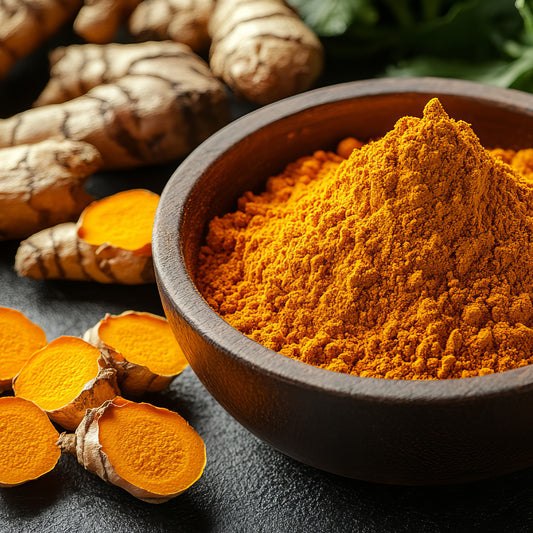
- ¾ teaspoon turmeric powder
- 2 tablespoons ginger, peeled and finely chopped
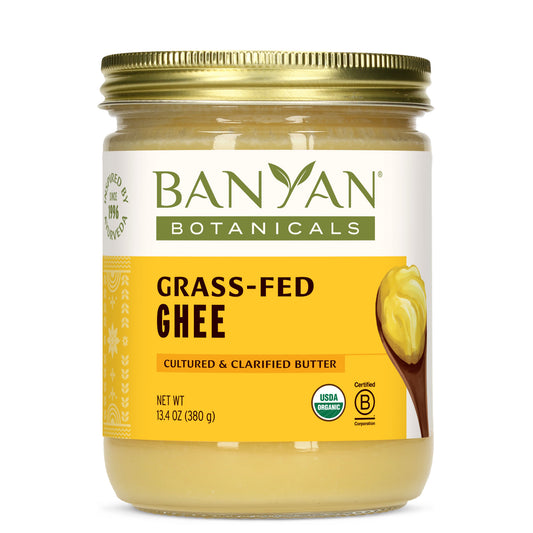
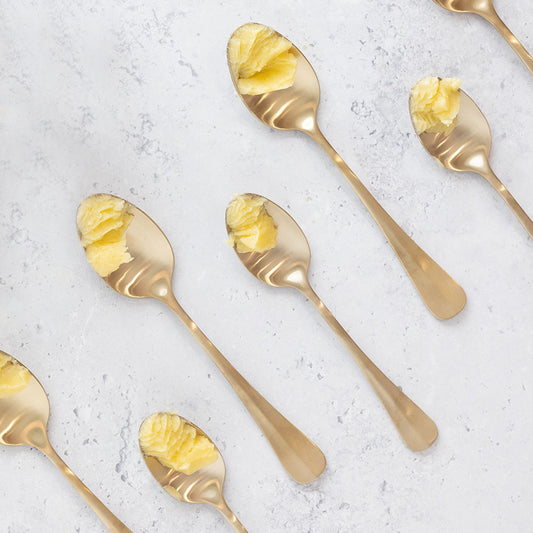
- 1 tablespoon ghee
- ¼ cup cilantro, stemmed and chopped
- 1 lime, cut in half
-
Natural mineral salt to taste
- Black pepper to taste
Directions:
Rinse the red lentils in several changes of water and drain. In a large pot, combine water, beet, ginger, and turmeric and bring to a boil. Reduce to medium low and simmer for about 20 minutes. If the water seems low or if you want it to have more broth, feel free to add more hot water.
Heat the ghee in a small stainless steel or cast iron skillet on medium high, add the cumin and coriander seeds, and lightly toast. Quickly add this to the lentil mixture (it can burn fast) and simmer a few minutes longer. Add cilantro, lime juice, salt, and pepper to taste.
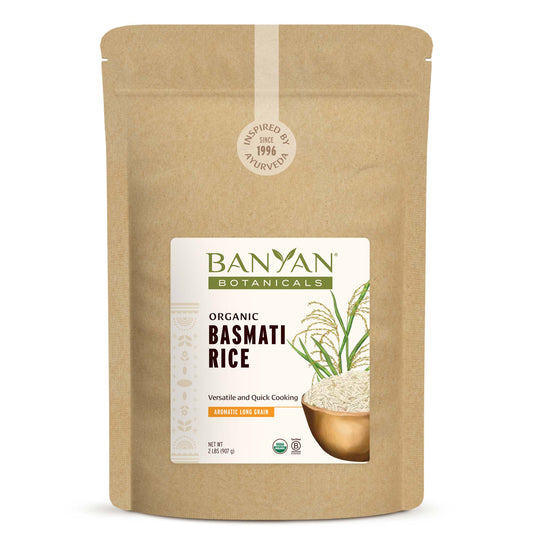
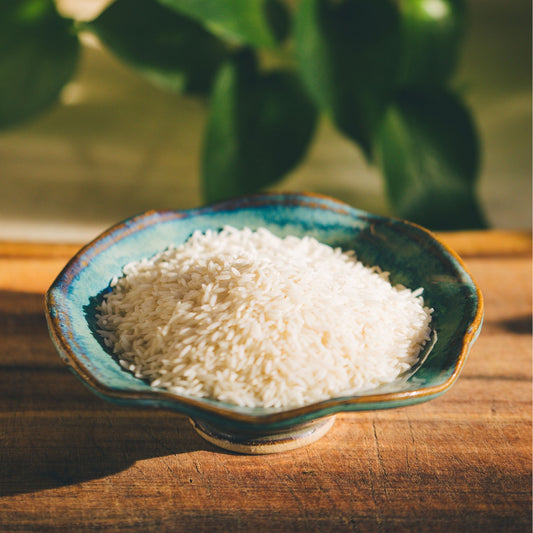
I like to enjoy this over basmati rice with a little extra ghee and a side of apple or pear chutney to balance out the meal and get all six tastes.
Enjoy and take good care of your vata this fall season!
FAQs: Keeping Vata Balanced with a Supportive Diet
What is a vata-pacifying diet?
A balancing vata diet brings in qualities that counterbalance vata's dry, light, rough, and cold qualities, instead focusing on nourishing foods that are warm, well-cooked, and easy to digest. This includes stewed fruits, cooked veggies, spiced dal, and incorporating healthy fats and warming spices such as cinnamon and cardamom.
When working with vata's delicate digestion, it's important to avoid dry, light, cold foods. For example, popcorn (dry and light) iced drinks, cold dairy products, overly heating spices like cayenne (too drying), and most raw fruits and raw vegetables (very cold and sometimes rough) aggravate vata. Learn more about vata-balancing foods and the vata diet.
When is it best to follow a vata diet?
Fall is vata season, when vata naturally increases in nature and can likewise increase within your own physiology. This is an ideal time to embrace a vata diet to support optimal digestion. In addition, those who have a vata-predominant constitution or are working with a vata imbalance can benefit from a vata-pacifying diet at other times in the year. If you're unsure of your constitution or your current state of balance, you can take the free dosha quiz.
What are some examples of other vata-balancing meals?
There are so many delightful vata meals. For example, in the morning, you could start your day with warm oatmeal, cooked or stewed fruits with spices, or a piece of toast slathered with ghee, a healthy fat that is especially nourishing to vata dosha. At lunch, you could have spiced dal and roasted sweet potatoes or a warming soup. At dinner, try curried coconut root vegetables, and before bed, help ground and settle the nervous system with an Ashwagandha Latte, made with either a plant milk or boiled cow's milk. Explore Banyan's library of vata balancing recipes for more ideas.
What are some other ways I can balance vata?
In addition to a vata diet, Ayurveda offers a plethora of ways to nurture and balance vata, with committing to a supportive daily routine being the biggest recommendation. Daily routine can do wonders to grounding vata's light, mobile qualities. It's of course up to you on what you want to commit to, but some vata-balancing daily routine basics include supporting consistent, healthy sleep, eating meals at regular times each day, and taking time for a mindfulness practice such as meditation and journaling.