Skip to product information
1 of 9

Triphala tablets

Triphala tablets

Regular price $22.99
#1051
Sale price $22.99 Regular price

Triphala, perhaps the most beloved formula in Ayurvedic medicine, is a simple yet potent blend of three fruits. Renowned for its ability to both cleanse and replenish the system, Triphala gently supports healthy digestion and a healthy gut microbiome as it also supports regular, comfortable elimination and helps relieve occasional constipation. Banyan’s organic Triphala tablets make it easy to incorporate into your daily routine.*


Sizes:
Free Shipping Over $60 • Satisfaction Guarantee • 90 Day Return Policy

About Triphala tablets

Triphala tablets are comprised of organic amla, bibhitaki, and haritaki. Considered tridoshic, meaning it helps balance all three doshas of vata, pitta, and kapha, Triphala is beneficial to nearly everyone.*

Health Benefits of Triphala:

  • Supports healthy digestion: The three fruits work synergistically to offer digestive support, fostering healthy, balanced digestion and overall gut health.*
  • Gently maintains regularity: Triphala promotes healthy elimination and regular bowel movements without the harsh effects of stimulant laxatives.*
  • Natural source of antioxidants: Rich in vitamin C, gallic acid, ellagic acid, and other bioactive compounds that support overall health and well-being.*
  • Nourishes and rejuvenates the tissues: Triphala is traditionally considered a rasayana (rejuvenative) that promotes longevity and overall wellness.*

Triphala isn't intended to treat chronic constipation, which can be a sign of an underlying imbalance and may require practitioner support.

How To Use

Suggested Use:
For gentle daily cleansing, take 1–2 Triphala tablets daily. Taking Triphala on an empty stomach at bedtime or upon waking supports effectiveness. Or take as directed by your health practitioner.

Please consult with your health practitioner prior to use if you are pregnant or nursing, taking medications, or have a medical condition. Keep out of the reach of children.

Ingredients

Serving size: 2 tablets

Servings Per Container, 90 Count: 45

Servings Per Container, 180 Count: 90

This Triphala formula is made with three certified organic fruits and minimal binding agents. Nothing unnecessary—every ingredient has a purpose.

Each 500 mg tablet contains: Amla fruit (Phyllanthus emblica)+‡, Bibhitaki fruit (Terminalia bellirica)+, Haritaki fruit (Terminalia chebula)+.

Other ingredients, from natural sources: gum acacia+‡.

+Certified Organic Fair for Life Fair Trade certified: 34% of all ingredients

Gluten free, soy free, and dairy free. 100% vegetarian.

Ayurvedic Energetics:
  • Rasa (taste): sweet, sour, pungent, bitter, astringent
  • Virya (action): neutral
  • Vipaka (post-digestive effect): sweet
  • Doshas (constitutions): Balancing for all doshas
View full details

Herbal Highlights

  • Amla Fruit

    Amla Fruit

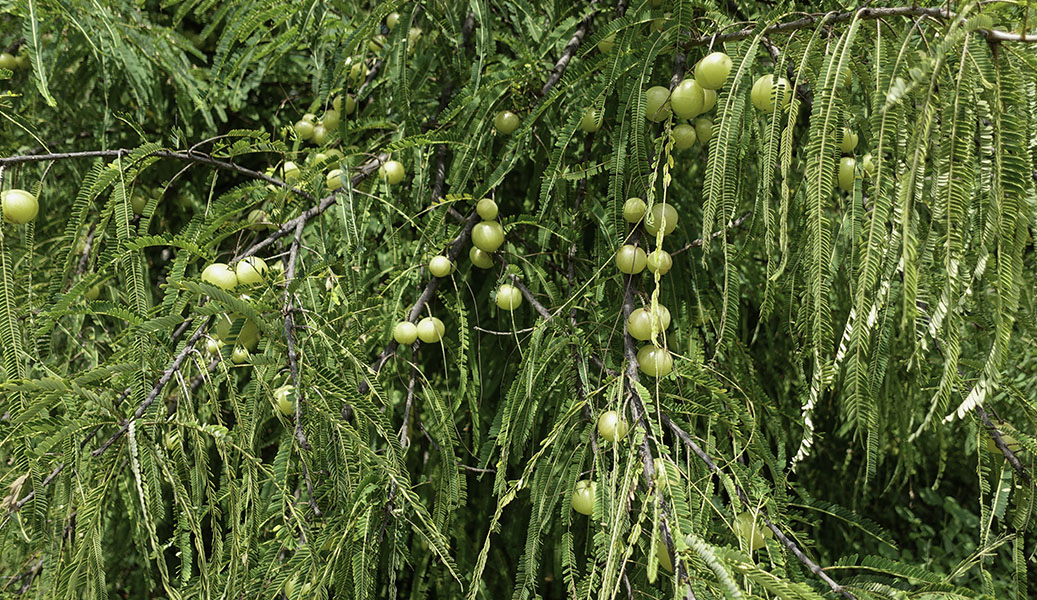
    Amalaki's antioxidant, vitamin C, and polyphenol content contribute to its cleansing quality and ability to support a healthy digestive tract.*

  • Bibhitaki Fruit

    Bibhitaki Fruit

    The fleshy fruits of these large deciduous trees are prized in traditional Ayurvedic herbalism for their detoxifying and rejuvenating nature.*

  • Haritaki Fruit

    Haritaki Fruit

    Haritaki fruit is naturally rich in tannins and other important bioactive compounds, including chebulagic acid, chebulinic acid, and corilagin.

  • "Number one game changer for my digestion, elimination, and gut health." —Amber B.
  • "Gets the gunk out! Gentle, balancing, and cleansing without depleting your system." —Leanne
HOW DOES TRIPHALA WORK?
  • Gluten Free

    Gluten Free

  • Cruelty Free

    Cruelty Free

  • Plant Based

    Plant Based

  • Vegan

    Vegan

  • Non Gmo

    Non Gmo

CERTIFIED FAIR FOR LIFE FAIR TRADE

1. What is in the Triphala formula tablets?

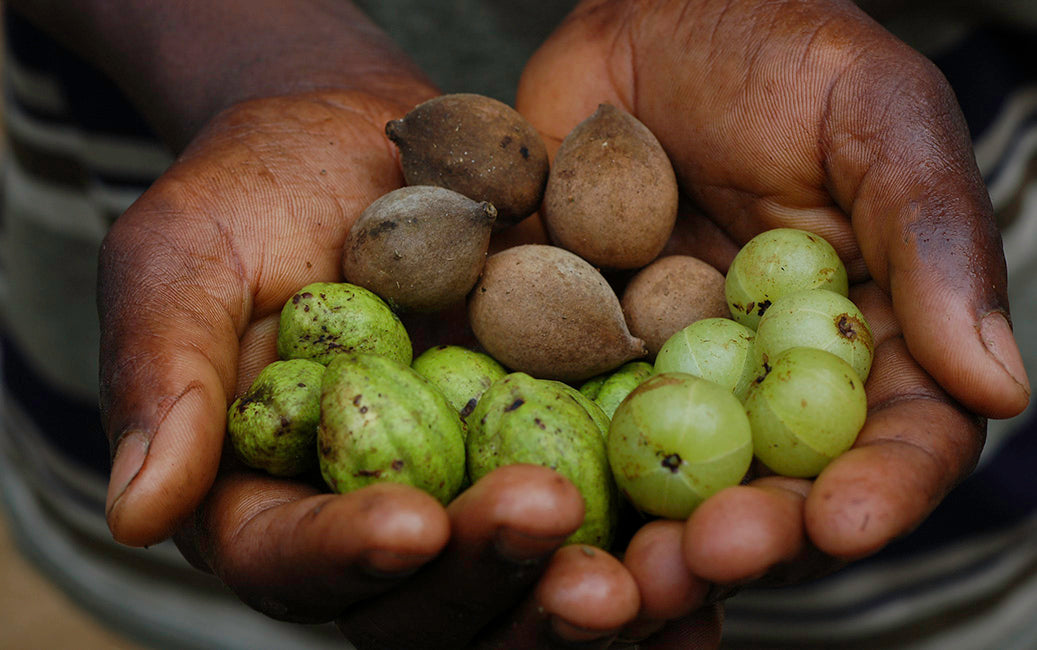
Triphala is equally composed of three dried fruits: haritaki (also known as organic chebulic myrobalan, Terminalia chebula), amla (or Indian gooseberry, Phyllanthus emblica), and bibhitaki (or organic belleric myrobalan, Terminalia bellirica). The literal translation of the name is “tri” for three and “phala” for fruits.

Each of these fruits has an affinity for a specific dosha: haritaki balances vata, amla balances pitta, and bibhitaki balances kapha. Because of this it is considered tridoshic, which means it balances all doshas.

In addition to these three fruits, our tablets contain a small amount of organic gum acacia that helps form the tablets and then to keep them in tablet shape. Like the herbs, gum acacia is non-GMO and sustainably sourced. If you want to learn more about your doshas and constitution, take our Ayurvedic Profile™ Quiz.

2. How is Banyan's Triphala superior?

Our mission is to help you achieve and maintain health and well-being, and we passionately believe that offering the highest quality Triphala is crucial to fulfilling our mission to you. We are involved in every step of the way to ensure that what you receive is superior—from working with the farmers that grow and nurture the herbs to rigorously testing the safety of each and every batch we sell. Our Triphala is sustainably sourced, certified organic, certified Fair for Life Fair Trade, and stringently tested for quality.

3. How do I take Triphala? At what time of the day, and do I take it with or without food?

Our recommendation is to take the tablets at night before bed, or first thing in the morning on an empty stomach. Taking it on an empty stomach at either time enhances the efficacy of the formula.

While this is considered the best time, the most important component is to simply take your herbs! With many of the herbs and formulas we carry, it is far more important to pick a time that is convenient for you than to be overly concerned about precisely when to take them.

We also encourage you to experiment to find the time that works best for you: Ayurveda honors the uniqueness in each of us, and while one time may work for one person, a different time may work better for you.

4. How much Triphala should I take?

Our general recommendation is to take one to two tablets daily. You may see best results by committing to taking Triphala once daily, right before bed or upon rising. You may increase or decrease the amount you take depending on how you respond to Triphala. Listen to your body—it will be your best guide.

If you don't see results within a couple weeks, it is completely safe to increase the number of tablets within the recommended dosage. The ingredients are three fruits: if you happen to take more than your body needs, it may result in loose motions. Lower your dosage until you find a comfortable balance. If you need more guidance, work with a practitioner.

5. How soon after I start taking Triphala can I expect results?

Most people experience a more complete evacuation of the bowels within the first few days of taking Triphala. If you have a more chronic imbalance, it may take a little longer for results to be noticeable. For some people when detoxification begins, the bowels may be a little looser than normal. This is a common sign of cleansing and your bowel movements will return to normal as balance is achieved.

As a general guideline, try it for at least 4–6 weeks. This will give the herbs time to penetrate all the tissue layers. It can also be useful to check in with yourself on a daily basis to help be aware of the subtle energies of the herbs. How was your digestion today? How was your energy? Not only will you notice the positive effects of the herbs working but you will learn how subtle adjustments of your diet, routine, and lifestyle make a difference to your well-being.

6. How long can I take Triphala?

Triphala is composed of three fruits – haritaki, amla (or amalaki), and bibhitaki. It is not uncommon to take Triphala for many, many years. Some notice an evolution in the way Triphala tastes and the subtle energies of the formula when taking it for a long time. For example, it may initially taste bitter. After a while, as balance is attained, the other tastes may emerge.

7. How do I take Triphala for occasional constipation?

For relief from occasional constipation, take 1–2 Triphala tablets on an empty stomach at bedtime with warm water. The warm water helps activate the herbs and supports their movement through the digestive system. Taking Triphala before bed allows it to work overnight, often resulting in a more complete bowel movement upon waking. You may increase or decrease the amount depending on how your body responds.

Remember that Triphala is not intended to treat chronic constipation, which may indicate an underlying imbalance requiring practitioner support. Explore our Triphala benefits guide for more information on how this formula supports digestive health.

8. What happens if I take triphala daily?

Taking Triphala daily is a common practice in Ayurvedic medicine, and most people experience positive results with consistent use. Many users report more complete bowel movements within the first few days, along with improved digestion, increased energy levels, and better overall well-being over time. Since Triphala is composed of three fruits rather than synthetic compounds, it is generally considered safe for long-term daily use and is not habit-forming like stimulant laxatives.

With daily use, you may notice an evolution in how Triphala affects you. Some people find that the taste changes as balance is achieved, the bitter notes giving way to sweeter tastes. For best results, take Triphala consistently at the same time each day, either at bedtime or upon waking.

9. Are there any disadvantages to taking triphala? When is it not recommended?

Triphala tablets are generally well-tolerated, but some people may experience digestive symptoms, especially when starting or taking high doses. The most common side effects include loose stools or stomach discomfort as the body adjusts to the cleansing action. These symptoms typically resolve when the dose is reduced. Most triphala users report no stomach discomfort, while a few experience temporary digestive issues. Therefore, starting with a smaller dose and gradually increasing it is recommended.

If you are pregnant, nursing, have a medical condition, or are taking medications, consult your health practitioner before use.

10. ​​What form of triphala supplement is best for me—Triphala powder, Triphala liquid extract, or Triphala tablets?

We offer several ways to take triphala, including Triphala powder, a liquid extract, and tablets, as well as Triphala ghee. All of these options support healthy digestion and digestive comfort, healthy bowel movement and regularity, and a healthy gut microbiome. Ease of use is perhaps the biggest way to determine which form of triphala you choose:

  • Triphala powder is the most traditional way to take this formula and allows you to taste the blend, an important part of taking herbs in Ayurveda. The most common way to take Triphala powder is to mix it in warm water and drink before bed or in the morning.
  • The tablets and liquid extract offer a more convenient way to take the formula compared to Triphala powder, while still allowing you to taste the herbs if you desire. These options are especially supportive to those who are on the go and have busy lifestyles, and for those who do not like the taste of these medicinal plants.
  • The herbal ghee, another traditional way to take triphala, combines triphala powder and ghee and acts more as a Triphala rasayana thanks to the nourishing quality of ghee. It is a gentle way to take triphala, although the taste can be bitter for some.
  • Sustainably Sourced Wellness Products

    Sustainably Sourced

    Environmentally responsible practices support the long term well-being of the plants and ecosystems we source from.

  • Certified Organic Wellness Products

    Certified Organic

    Organic herbs are grown with the use of renewable resources, contributing to both individual and planetary health.

  • Fairly Traded Wellness Products

    Fairly Traded

    Equitable supply chains ensure the social and economic well-being of our small farmers, producers, and suppliers.